Trump’s America250 Passport Sparks Political Firestorm
By ZPLUSE STAFF
•
Saturday, June 27, 2026
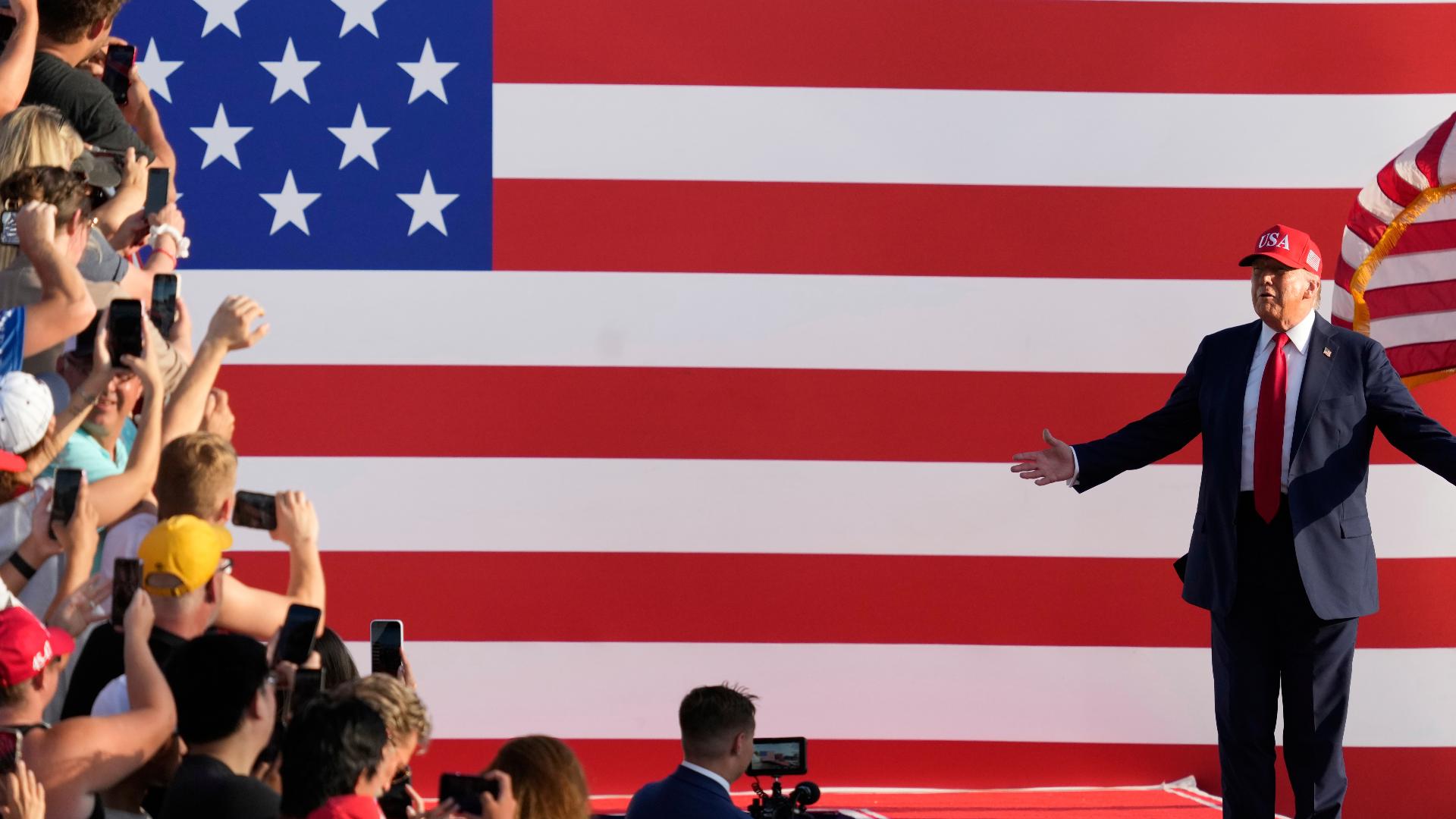
The United States Department of State has unveiled a limited edition America250 passport series to commemorate the nation’s 250th anniversary, which prominently features the portrait and signature of President Donald Trump. While this special edition has sparked intense debate and criticism regarding the politicization of official travel documents, it is important to clarify that this design is specific to passports and does not extend to the U.S. visa foils issued for international travelers. The visa foils themselves continue to follow standard designs, such as the current Bridge series, and remain distinct from the commemorative passport booklets being introduced this summer.
The decision to include the President’s likeness in these anniversary passports has become a flashpoint for domestic controversy, with critics labeling the move as an act of personal branding on government property. Lawmakers and public commentators have raised concerns about the appearance of “megalomania,” contrasting the choice with more traditional designs that typically feature national landmarks or historical figures rather than sitting presidents. Despite the pushback, the State Department maintains that the design is part of a broader celebratory campaign for the upcoming 250th-year milestone, and officials have confirmed that standard, non-commemorative passports will remain available for all citizens nationwide.
For those navigating the U.S. immigration system, the distinction is significant. While social media and viral reports have fueled confusion by conflating these patriotic passports with broader travel documentation, the actual visa application process remains unchanged by this design initiative. As the U.S. government rolls out these limited-edition booklets through the Washington Passport Agency, the broader landscape of American visa policy continues to be shaped by other, more substantial factors such as ongoing adjustments to processing fees and regulatory requirements rather than changes to the aesthetic appearance of travel documents.