Is Trinamool Congress Heading for a Vertical Split? Rumblings of Rebellion After Historic Electoral Rout
By ZPLUSE STAFF
•
Tuesday, June 2, 2026
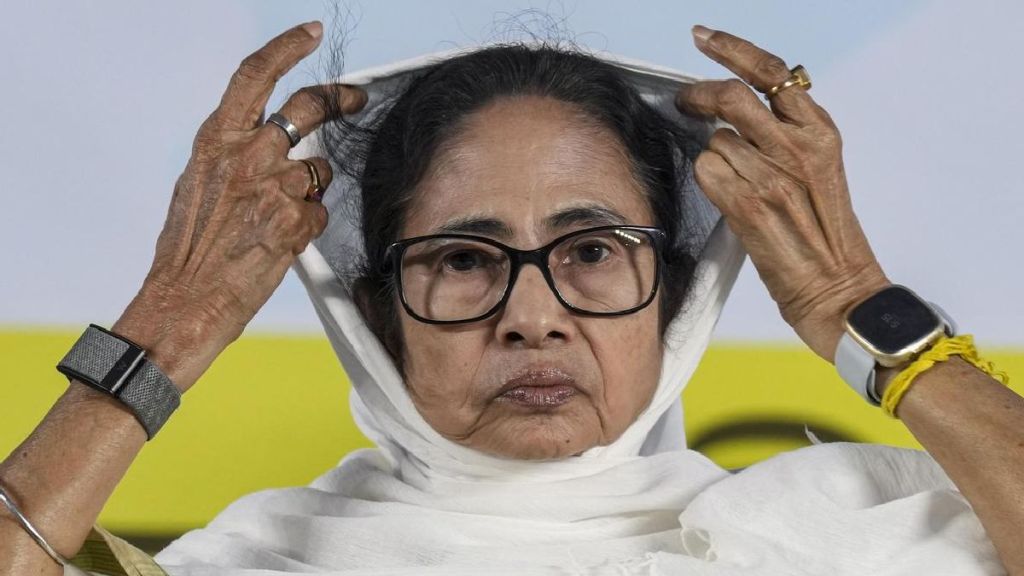
Kolkata: The Trinamool Congress (TMC), which dominated West Bengal politics for nearly fifteen years under the leadership of Mamata Banerjee, is facing perhaps the biggest internal crisis in its history following its stunning defeat in the 2026 Assembly elections. Reports emerging from Kolkata’s political circles suggest that a large section of party legislators and leaders are increasingly unhappy with the current leadership structure, giving rise to speculation of a possible vertical split within the party. 
The rumours gained momentum after reports indicated poor attendance at a crucial meeting of TMC legislators called by Mamata Banerjee. According to reports, a significant number of newly elected MLAs skipped the gathering, forcing the party leadership to defer the meeting. Such an occurrence would have been unimaginable during the peak years of Mamata Banerjee’s political dominance and is being viewed by observers as a sign of growing factionalism within the organisation. 
Political discussions in Bengal are now centered around claims that nearly 50 legislators may be dissatisfied with the existing leadership arrangement. While no official figure has been confirmed and no formal rebellion has emerged, the very existence of such speculation highlights the depth of unrest within a party that was once known for strict centralised control under Mamata Banerjee. 
The roots of the crisis lie in the scale of TMC’s defeat. The party not only lost power but also witnessed the BJP break its fifteen-year hold over the state. The defeat triggered intense introspection among leaders, many of whom publicly questioned the party’s functioning, campaign strategy, candidate selection process, and excessive dependence on centralized decision-making. Criticism has reportedly been directed not only at the top leadership but also at the growing influence of a select group of advisers and strategists within the party structure. 
Another fault line is believed to be the emerging divide between supporters of Mamata Banerjee and those who believe the party requires generational and organisational restructuring. Some leaders are reportedly pushing for a more collective leadership model, while others continue to insist that Mamata remains the only leader capable of keeping the party united in the face of BJP’s rise. 
The situation has become more sensitive because disciplinary action has already begun within the party. TMC recently expelled two MLAs for alleged anti-party activities, a move widely interpreted as an attempt by the leadership to send a message to potential rebels. Mamata Banerjee has also publicly warned dissidents, stating that the party is stronger than individual leaders and that those working against the organisation would not be tolerated. 
At the same time, Mamata Banerjee has accused the BJP of attempting to engineer defections and weaken TMC from within. She has alleged that there is an organised effort to destabilise the party through political pressure and intimidation. These allegations indicate that the leadership views the current crisis not merely as internal dissatisfaction but also as part of a broader political battle following the change of government in the state. 
The biggest question now is whether the dissatisfaction remains confined to internal discussions or evolves into an organised faction. Bengal politics has witnessed major party splits in the past, and many senior TMC leaders originally came from parties such as the Congress and the Left Front. If a substantial number of legislators begin coordinating politically, it could trigger the most serious challenge to TMC’s unity since its formation in 1998.
However, a formal split remains far from certain. Despite the electoral setback, Mamata Banerjee continues to command significant loyalty among party workers, grassroots leaders, and a large section of TMC’s traditional support base. Many legislators may also be reluctant to abandon a party that still remains the principal opposition force in the state. 
What is undeniable is that the Trinamool Congress has entered unfamiliar territory. For the first time since coming to power in 2011, the party is confronting the dual challenge of opposition politics and internal dissent simultaneously. The coming months will determine whether the current unrest leads to reconciliation and restructuring, or whether it develops into a full-scale organisational split that could permanently alter the political landscape of West Bengal.
For now, Bengal’s political observers are watching closely. The BJP may have won the election, but the next major battle could be fought not between parties, but within the ranks of the defeated Trinamool Congress itself.