TMC’s Biggest Crisis Since 2011? Rajya Sabha MP Prakash Chik Baraik Quits as Revolt Against Mamata Banerjee Deepens
By ZPLUSE STAFF
•
Thursday, June 11, 2026
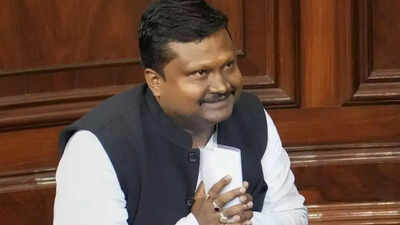
Kolkata: The political turmoil within the Trinamool Congress (TMC) appears to have entered a dangerous new phase with Rajya Sabha MP Prakash Chik Baraik resigning from the party, intensifying what many observers are now calling the most serious internal crisis faced by Mamata Banerjee since coming to power in West Bengal in 2011.
The resignation comes amid growing reports of discontent among legislators, MPs, district leaders, and grassroots workers following the party’s electoral setback. What initially appeared to be isolated expressions of dissatisfaction has gradually evolved into a broader challenge to the party leadership, raising questions about the future unity of one of India’s most powerful regional political organizations.
Prakash Chik Baraik’s departure is particularly significant because it marks the first major parliamentary-level resignation since signs of rebellion began emerging within the party. Political observers believe the move could embolden other dissatisfied leaders who have privately expressed concerns regarding the party’s direction, leadership structure, and organizational functioning.
At the heart of the crisis lies a growing debate over succession, internal democracy, and the concentration of decision-making power within a limited leadership circle. Several leaders have reportedly argued that the party has become increasingly centralized over the years, leaving little room for consultation or dissent. While such concerns remained largely hidden during the years of electoral dominance, the recent political setback appears to have opened the floodgates for long-suppressed grievances.
Many rebel leaders have pointed toward the increasing influence of Abhishek Banerjee within the organization as a source of friction. While supporters view him as the natural successor to Mamata Banerjee and the architect of a more modern and youth-oriented political structure, critics argue that experienced leaders have gradually been marginalized in the decision-making process. The issue has become particularly sensitive because it touches upon the future leadership of the party after Mamata Banerjee.
The resignation has also fueled speculation about a possible larger split within the Trinamool Congress. Reports from political circles suggest that a significant number of legislators remain unhappy with the current leadership structure. While many have not openly revolted, the growing number of public criticisms indicates that the leadership’s ability to maintain organizational discipline is being tested as never before.
For Mamata Banerjee, the crisis represents a challenge unlike any she has faced in recent years. Throughout her political career, she successfully fought powerful opponents ranging from the Left Front to the BJP. However, managing internal dissent is often far more difficult than confronting external rivals. Political parties can survive electoral defeats, but factional divisions and leadership struggles frequently prove more damaging over the long term.
The timing is especially critical. The Trinamool Congress is attempting to rebuild itself after an electoral setback while simultaneously preparing for future political battles in West Bengal. Internal instability could weaken the party’s organizational machinery, reduce public confidence, and create opportunities for rival parties seeking to expand their influence in the state.
The opposition has already begun portraying the developments as evidence of deeper dissatisfaction within the party. BJP leaders have claimed that the resignations and criticisms reflect growing frustration among TMC workers and leaders who feel disconnected from the party’s current direction. Meanwhile, Left parties have argued that the unrest exposes structural weaknesses that were concealed during years of political dominance.
Despite the growing turbulence, the Trinamool leadership continues to project confidence. Senior leaders insist that the party remains united and capable of overcoming temporary challenges. They argue that isolated resignations should not be interpreted as signs of a larger collapse and maintain that Mamata Banerjee continues to enjoy overwhelming support among party workers and supporters.
Yet the symbolism of a sitting Rajya Sabha MP quitting at such a sensitive moment cannot be ignored. In politics, perception often matters as much as reality. Every resignation, every public criticism, and every expression of dissent contributes to a narrative that can become difficult to contain.
The coming weeks may prove decisive for the future of the Trinamool Congress. If the leadership succeeds in engaging dissatisfied leaders and addressing organizational concerns, the crisis could be contained. However, if more MPs, MLAs, and senior functionaries choose to follow Baraik’s path, the party could find itself confronting a full-scale rebellion with far-reaching consequences for West Bengal politics.
For more than a decade, Mamata Banerjee’s political authority appeared virtually unchallenged within the Trinamool Congress. Today, however, the party stands at a crossroads. The resignation of Prakash Chik Baraik may ultimately be remembered either as an isolated act of dissent—or as the moment when the cracks within Bengal’s ruling political force became impossible to ignore.
As the rebellion gathers momentum, one question increasingly dominates political discussions across the state: Is this merely a phase of post-election frustration, or the beginning of the most significant realignment in West Bengal politics since Mamata Banerjee’s rise to power?