Teesta Turns Into a Geopolitical Battlefield: Bangladesh’s China Bet Challenges India’s Strategic Backyard
By ZPLUSE STAFF
•
Monday, June 29, 2026
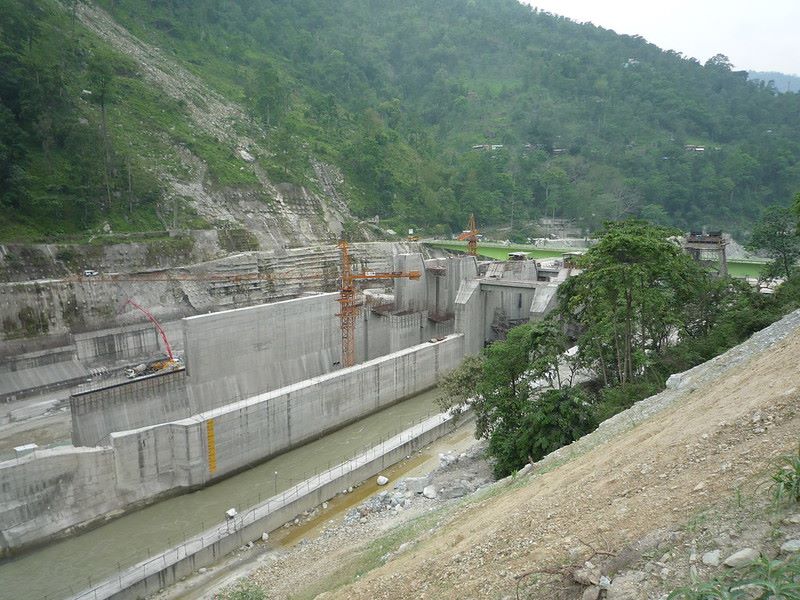
Bangladesh has officially pushed the pedal on its ambitious Teesta River Comprehensive Management and Restoration Project, turning to China for the technical muscle to tame the transboundary waterway. During Prime Minister Tarique Rahman’s high-stakes visit to Beijing in late June 2026, the two nations signed 13 agreements, with the Teesta project taking center stage as a symbol of deepening strategic cooperation. For Dhaka, the move is a response to years of frustration over stalled water-sharing negotiations with India, as it now seeks to leverage Chinese engineering to address erosion, flood mitigation, and water scarcity in its northern districts.
The project itself is a massive infrastructure undertaking, involving the dredging of over 100 kilometers of the river, the construction of extensive embankments, and the creation of reservoirs to store water for the lean winter months. While Beijing frames this as a purely developmental initiative aimed at climate adaptation and regional prosperity, it has inevitably touched a raw nerve in New Delhi. Given the project’s proximity to the strategically vital Siliguri Corridor—the Chicken’s Neck that connects mainland India to its northeastern states—India’s security establishment is watching closely as China gains a foothold in a river basin that New Delhi has historically considered its own sphere of influence.
As Bangladesh moves forward with its sovereign plan, the development has highlighted the limits of hydro-diplomacy in the region. Engineering brilliance can reshape a riverbed, but it cannot override the hydrological reality of an international river that depends on upstream flows. By bypassing stalled bilateral deals in favor of a Chinese-backed master plan, Dhaka is effectively betting on a do-it-yourself model of water security. For India, the challenge is now two-fold: addressing the genuine water-sharing grievances of its neighbor before they become permanent Chinese-managed assets, and securing its own strategic interests in the face of an encroaching regional competitor.
In the grand game of South Asian geopolitics, Bangladesh just played a move that’s less about water management and more about showing India that patience, unlike the Teesta, eventually runs dry. By inviting China to dredge the river right up to the doorstep of the Chicken’s Neck, Dhaka has signaled that it’s done waiting for New Delhi to navigate its own federal gridlock. It’s a bold gamble that turns a quiet river project into a strategic chess move, leaving India to ponder whether it’s losing its grip on the basin or just watching a neighbor finally learn how to play hardball.