A Strait to Peace? Trump Says Iran Deal Nears Finish Line as Hormuz Reopening Appears Imminent
By ZPLUSE STAFF
•
Tuesday, June 9, 2026
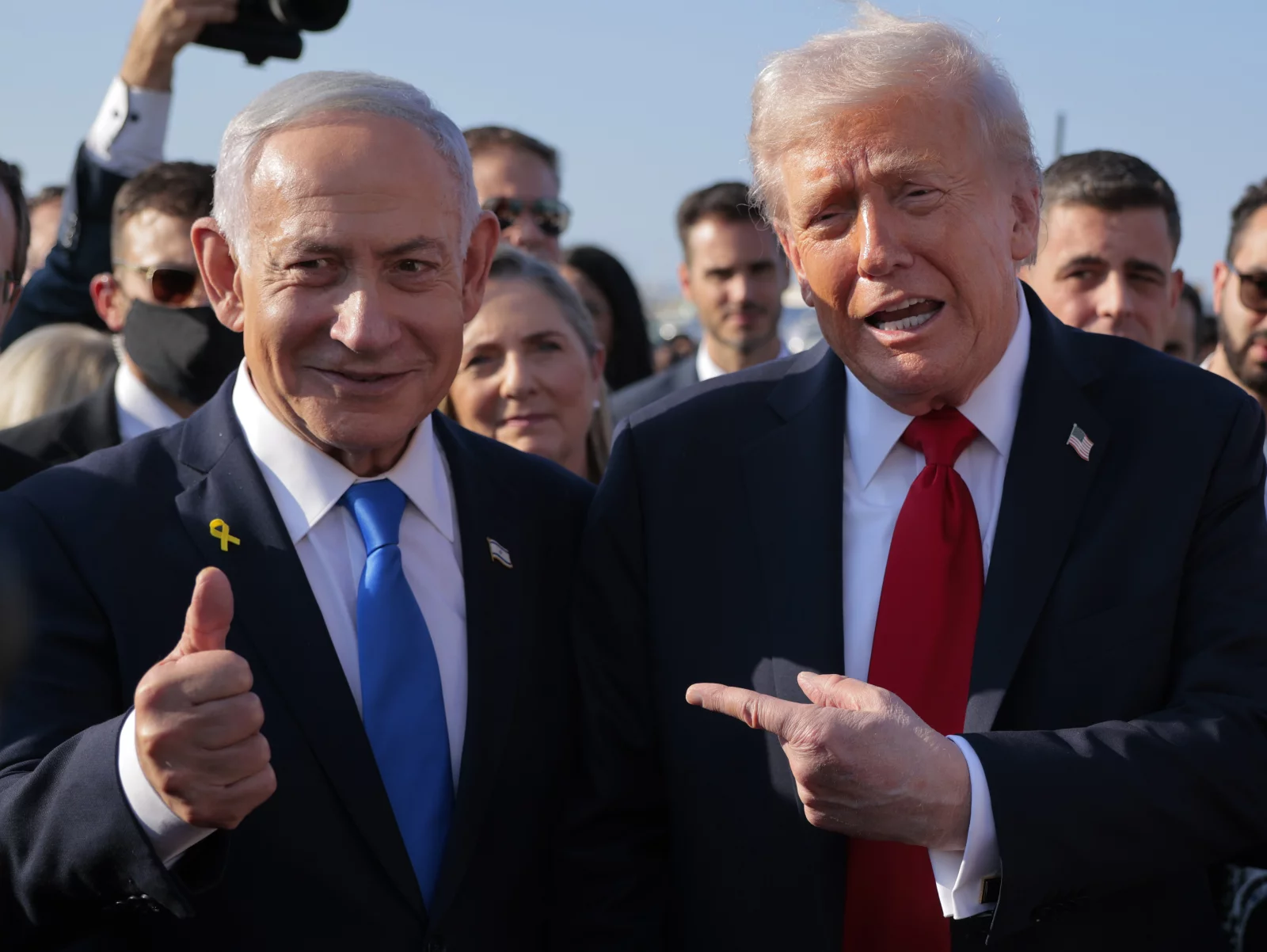
: In a development that could dramatically alter the geopolitical and economic landscape of the Middle East, US President Donald Trump has declared that negotiations with Iran are in their “final throes,” expressing confidence that a landmark agreement could soon be finalized and lead to the reopening of the strategically vital Strait of Hormuz within days.
Trump’s remarks come after months of military confrontation, diplomatic maneuvering, and economic disruption triggered by the conflict involving Iran, Israel, and the United States. The Strait of Hormuz, through which nearly one-fifth of the world’s oil and liquefied natural gas supplies traditionally pass, has remained at the center of the crisis, causing severe volatility in global energy markets and raising fears of a prolonged economic slowdown.
Speaking to reporters and through social media statements, Trump indicated that the broad framework of an agreement has already been negotiated and that only final details remain under discussion. According to the US President, the proposed deal would pave the way for the reopening of the Strait of Hormuz, easing one of the most serious disruptions to global energy supply chains in recent decades.
The importance of the Strait of Hormuz cannot be overstated. Located between Iran and Oman, the narrow waterway serves as the primary gateway for oil exports from major Gulf producers including Saudi Arabia, the United Arab Emirates, Kuwait, Iraq, and Qatar. Since the outbreak of hostilities earlier this year, shipping traffic through the strait has been severely affected, contributing to soaring oil prices, inflationary pressures, and concerns about global economic growth.
Financial markets have reacted cautiously optimistic to Trump’s comments. Energy traders, shipping companies, and governments worldwide have been closely monitoring developments because even a partial reopening of Hormuz could significantly reduce supply concerns and stabilize international crude prices. Analysts estimate that a return to normal shipping operations would provide immediate relief to energy-importing nations, including India, China, Japan, and much of Europe.
According to reports emerging from diplomatic circles, the proposed agreement may involve a phased process under which Iran would permit unrestricted commercial navigation through the strait while broader discussions continue regarding sanctions, regional security arrangements, and Tehran’s nuclear programme. Some reports suggest that Iran may also agree to certain confidence-building measures in exchange for economic concessions and modifications to existing restrictions.
However, significant obstacles remain.
Iranian officials have publicly pushed back against some of Trump’s claims, arguing that key disagreements remain unresolved. Iranian media outlets have reported that discussions are continuing and that Tehran has not yet accepted all American proposals. Questions surrounding sanctions relief, access to frozen Iranian assets, and future nuclear commitments continue to complicate negotiations.
The emerging agreement has also generated political controversy within the United States. Several Republican and Democratic lawmakers have expressed skepticism regarding the negotiations, warning that any deal must ensure that Iran cannot exploit diplomatic concessions while maintaining strategic leverage in the region. Supporters of the talks, however, argue that preventing a wider war and restoring global energy stability should remain the immediate priority.
Trump’s announcement also reflects a broader shift in Washington’s Middle East strategy. After months of military escalation and naval deployments, the administration increasingly appears focused on achieving a diplomatic breakthrough that could prevent further regional conflict while restoring stability to global markets. The White House has repeatedly emphasized that diplomacy remains preferable to an open-ended military confrontation.
The potential implications extend far beyond the Middle East.
For India, which imports a significant portion of its crude oil requirements, a reopening of Hormuz would be particularly important. Lower shipping risks and improved energy flows could ease pressure on inflation, support the rupee, and reduce concerns regarding fuel prices. Other major Asian economies would similarly benefit from restored energy security and lower transportation costs.
The agreement could also influence regional diplomacy. If successful, it may create momentum for broader discussions involving Gulf states, Israel, and international powers regarding long-term security arrangements in the region. Several countries have already expressed support for diplomatic efforts aimed at reducing tensions and preventing future disruptions to one of the world’s most critical maritime chokepoints.
Despite the optimism, analysts caution that the situation remains fluid. Previous ceasefires and negotiation efforts have collapsed amid renewed violence, and both Iran and Israel continue to view each other with deep suspicion. Any agreement will require careful implementation and sustained political commitment from all parties involved.
Nevertheless, Trump’s declaration that the negotiations are in their final stage has injected fresh hope into a region exhausted by months of confrontation. If the deal is finalized and the Strait of Hormuz reopens as anticipated, it could mark one of the most significant diplomatic breakthroughs of 2026 and potentially avert a crisis that threatened to destabilize the global economy.
For now, the world watches closely as negotiators work on the final details of an agreement that could transform the Middle East from a theater of conflict into an arena for diplomacy and reopen the vital waterway that powers much of the global economy.