The Spirit Economy: How Liquor Became One of Uttar Pradesh’s Biggest Revenue Engines
By ZPLUSE STAFF
•
Monday, July 13, 2026
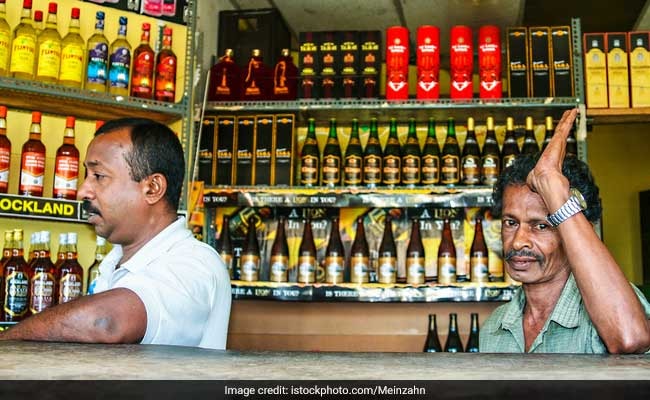
Lucknow: Once viewed primarily as a regulated consumer product, liquor has evolved into one of the largest sources of tax revenue for the Uttar Pradesh government. Over the past decade, the state’s excise collections have witnessed remarkable growth, making alcohol sales a critical pillar of public finances and a major contributor to funding infrastructure, welfare schemes, healthcare, education, and law enforcement.
The backbone of this revenue boom lies in excise duty, a state-level tax imposed on the manufacture, distribution, and sale of alcoholic beverages. Since liquor falls under the jurisdiction of state governments, excise collections have become one of the most reliable sources of non-GST revenue. Unlike many other taxes that fluctuate with economic cycles, demand for alcoholic beverages has remained relatively stable, ensuring a consistent stream of income for the state treasury.
Several factors have fueled this rise. Uttar Pradesh, India’s most populous state with over 240 million residents, has witnessed rapid urbanization, rising disposable incomes, and expanding retail networks. These trends have increased legal liquor consumption, while the government has simultaneously expanded the number of licensed retail outlets to improve regulation and reduce the illegal liquor trade.
Successive excise policy reforms have also played a pivotal role. The state government has introduced transparent e-tendering for liquor shops, revised licensing procedures, rationalized duty structures, and strengthened digital monitoring of production and sales. These measures have significantly reduced tax leakage while boosting compliance among manufacturers and retailers.
Technology has further transformed the sector. Barcode tracking systems, online licensing platforms, GPS monitoring of transport vehicles, and digital payment mechanisms have improved transparency throughout the supply chain. Authorities are now better equipped to monitor inventory, detect tax evasion, and crack down on illicit liquor networks that once caused substantial revenue losses.
The hospitality and tourism industries have also contributed to rising excise collections. Hotels, restaurants, clubs, and entertainment venues generate significant revenue through licensed alcohol sales, particularly in major urban centres such as Lucknow, Noida, Ghaziabad, Kanpur, Varanasi, Prayagraj, and Agra. The expansion of premium liquor brands and organized retail has further increased tax receipts.
According to state budget trends, excise revenue has consistently ranked among Uttar Pradesh’s largest own-tax revenue sources, alongside State GST, stamp duty, and vehicle taxes. Annual collections have grown substantially over the years, making the excise department one of the state’s highest revenue-generating agencies.
Despite its financial importance, the liquor industry remains politically and socially sensitive. Governments face the challenge of balancing fiscal needs with public health concerns, road safety, and social welfare. Authorities continue to conduct enforcement drives against illicit liquor manufacturing while promoting responsible consumption through stricter regulations and awareness campaigns.
Economists note that dependence on liquor revenue presents both opportunities and risks. While excise collections provide governments with a dependable fiscal cushion, excessive reliance on alcohol taxation can create policy dilemmas, particularly when public health objectives conflict with revenue considerations.
Looking ahead, Uttar Pradesh is expected to continue modernizing its excise administration through greater digitization, tighter enforcement, and data-driven monitoring. Industry experts believe further reforms could increase transparency, improve compliance, and sustain revenue growth while minimizing illegal trade.
The rise of liquor as one of Uttar Pradesh’s biggest revenue generators reflects more than changing consumption patterns—it illustrates how taxation, technology, governance, and economic expansion have transformed the state’s excise system into a vital engine of public finance. Today, every legally sold bottle contributes not only to government coffers but also to the funding of roads, schools, hospitals, and development projects across India’s most populous state.