Russia Delivers Fourth Squadron of AI-Enabled S-400 Air Defence System to India, Strengthening Strategic Shield
By Zpluse Staff
•
Thursday, June 4, 2026
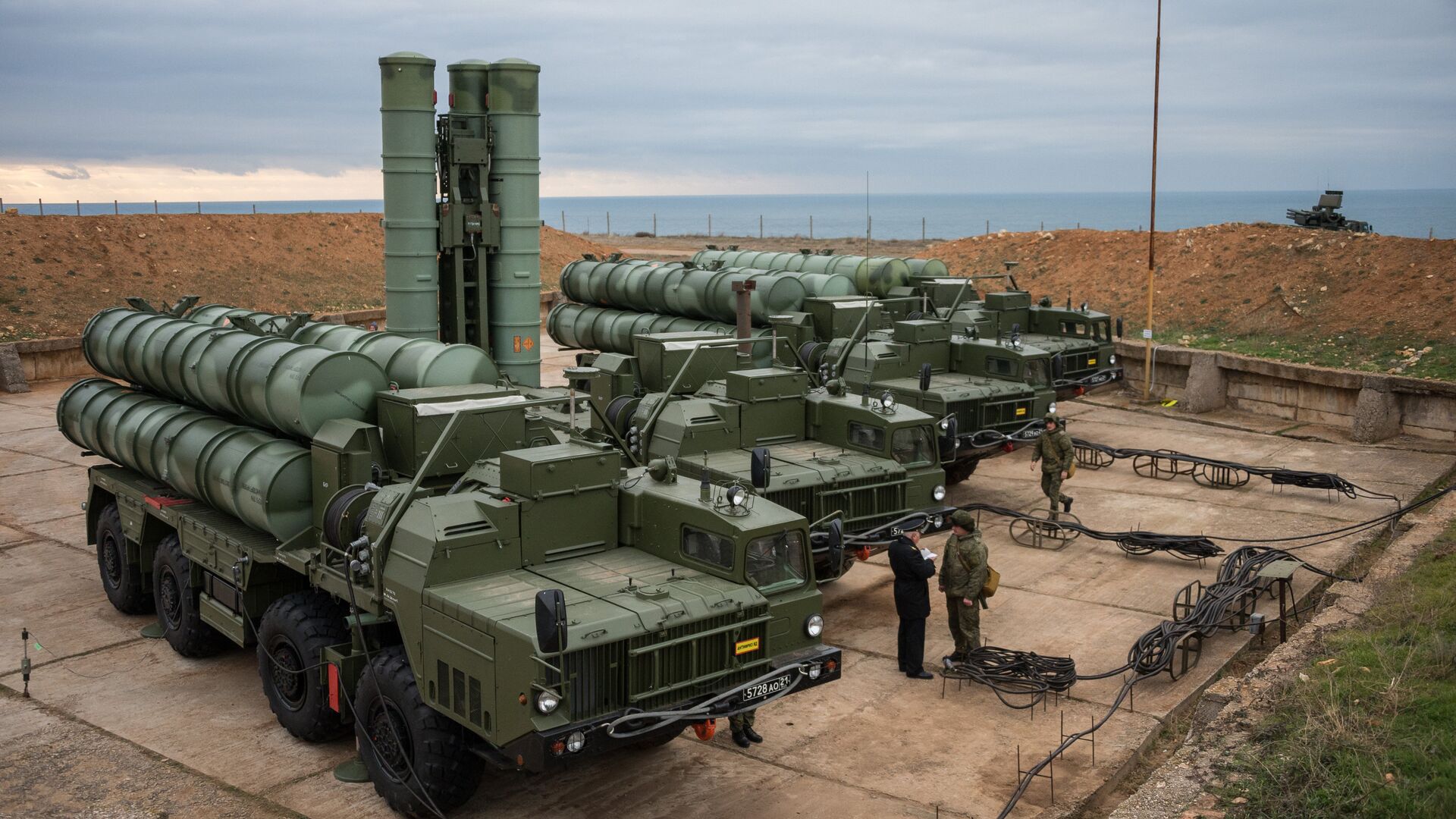
New Delhi: India has received the fourth squadron of the advanced S-400 Triumf air defence system from Russia, significantly boosting the country’s ability to detect, track, and neutralize aerial threats across vast distances. The latest delivery comes amid a rapidly evolving security environment in Asia and is expected to further strengthen India’s multi-layered air defence architecture against potential threats from both western and northern fronts.
The S-400 is widely regarded as one of the most sophisticated air defence systems in the world. Designed by Russia’s Almaz-Antey corporation, the system is capable of engaging multiple targets simultaneously, including fighter aircraft, stealth aircraft, cruise missiles, ballistic missiles, drones, and airborne early warning platforms. Its ability to track hundreds of targets at once and engage several simultaneously makes it one of the most formidable air defence assets currently in service.
The fourth squadron reportedly includes upgraded command-and-control systems, advanced radar components, and AI-assisted threat analysis capabilities. While officials have not disclosed detailed technical specifications, defence experts suggest that artificial intelligence integration allows the system to process massive amounts of battlefield data more rapidly, prioritize threats automatically, improve target identification, and assist operators in making faster engagement decisions during high-intensity combat situations.
India signed the approximately $5.4 billion S-400 deal with Russia in 2018 despite significant international pressure and the threat of sanctions under the United States’ CAATSA legislation. New Delhi defended the purchase by emphasizing its sovereign right to procure defence equipment based on national security requirements. Since then, the first three squadrons have already been deployed in strategically important sectors covering key regions along India’s western and northern borders.
The arrival of the fourth squadron comes at a time when air warfare is undergoing rapid transformation. Modern battlefields increasingly involve stealth aircraft, long-range precision missiles, hypersonic weapons, armed drones, swarm drone attacks, and electronic warfare systems. Traditional air defence networks are therefore being supplemented with artificial intelligence, machine learning, and automated decision-support systems to cope with the growing complexity of aerial threats.
Military analysts believe the S-400 provides India with a significant strategic advantage because of its long engagement range. Depending on the missile used, the system can reportedly engage targets at distances of up to 400 kilometers while simultaneously tracking threats much farther away. This creates a substantial protective umbrella over critical military installations, airbases, command centers, industrial hubs, and major cities.
The system is particularly important in the context of India’s security environment. China has rapidly expanded its air power capabilities, including fifth-generation fighter aircraft, long-range missiles, and advanced drone systems. Pakistan has also modernized portions of its air force with Chinese support. The S-400 is therefore viewed as a critical component of India’s deterrence posture and integrated air defence strategy.
One of the most discussed aspects of the S-400 is its ability to operate as part of a larger network. Defence planners are reportedly working to integrate the system with India’s indigenous air defence assets, including the Akash missile system, ballistic missile defence programs, long-range surveillance radars, and future indigenous projects. Such integration would create a layered defence shield capable of responding to multiple categories of threats simultaneously.
The AI-enabled features of the latest squadron reflect a broader trend within military technology. Modern armed forces are increasingly investing in artificial intelligence to improve battlefield awareness, automate routine processes, reduce response times, and enhance decision-making during combat. In air defence systems, AI can help distinguish between genuine threats and decoys, identify attack patterns, and optimize engagement sequences in situations involving large numbers of incoming targets.
The delivery also highlights the continuing strength of India-Russia defence cooperation despite shifting global geopolitical dynamics. Russia remains one of India’s largest defence suppliers, with cooperation spanning fighter aircraft, submarines, tanks, missiles, helicopters, and air defence systems. Although India has diversified its defence acquisitions over the past decade by purchasing equipment from the United States, France, Israel, and domestic manufacturers, Russia continues to occupy a significant position in India’s military modernization plans.
The final and fifth S-400 squadron is expected to be delivered in the coming months, completing the entire contract. Once all five squadrons become fully operational, India will possess one of the most advanced integrated air defence networks in the region. Defence experts believe this capability will play a crucial role in protecting national airspace and enhancing deterrence against future threats.
Beyond the immediate military advantages, the induction of advanced air defence systems also reflects a larger strategic reality. Modern warfare is increasingly being shaped by technology, data processing, artificial intelligence, and network-centric operations. The battlefield of the future will depend as much on algorithms and sensor networks as on traditional firepower.
The arrival of the fourth S-400 squadron therefore represents more than another defence acquisition. It symbolizes India’s continued effort to modernize its armed forces, strengthen strategic deterrence, and prepare for an era in which air superiority and missile defence will be central to national security.
As regional military competition intensifies and new technologies reshape warfare, systems such as the S-400 are becoming not merely defensive assets but critical pillars of a nation’s overall strategic posture. For India, the latest delivery brings the country one step closer to establishing a comprehensive shield against the increasingly complex threats of the twenty-first century.