New Flashpoint on the Durand Line: Afghanistan Launches Airstrikes Inside Pakistan as Border Tensions Escalate
By ZPLUSE STAFF
•
Saturday, June 20, 2026
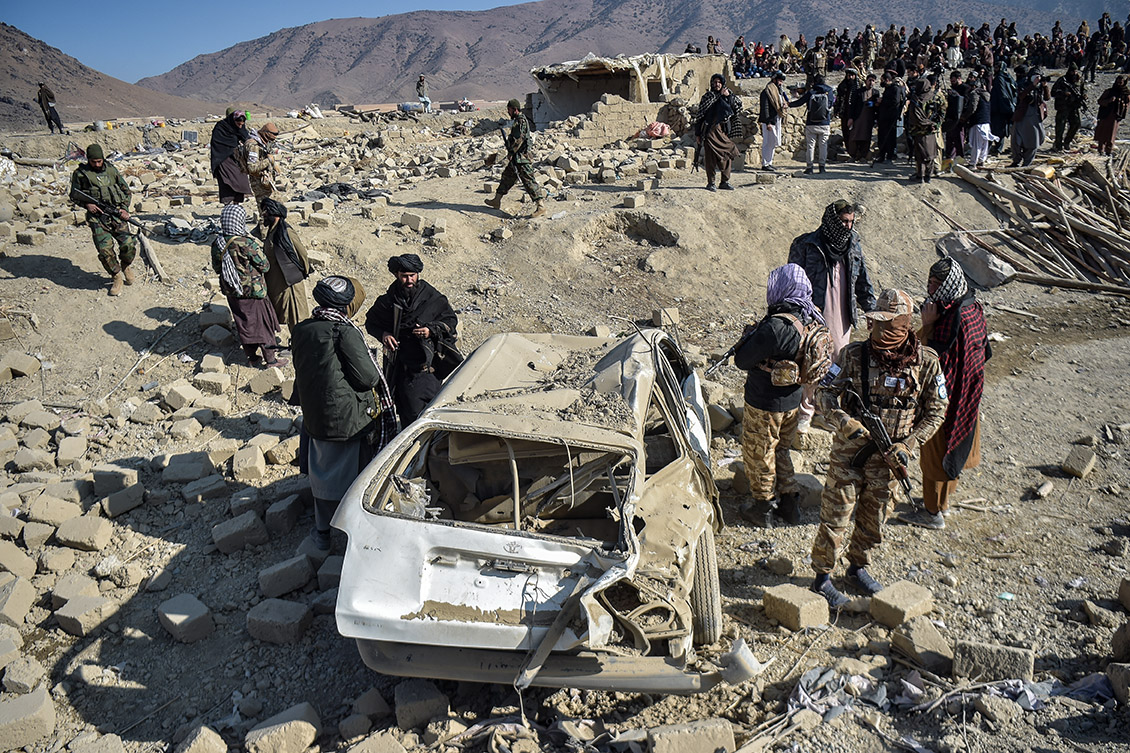
Tensions between Afghanistan and Pakistan have escalated dramatically after Afghan forces reportedly carried out airstrikes against targets inside Pakistani territory, marking one of the most serious military confrontations between the two neighboring countries in recent years. The strikes come amid growing hostility along the disputed Durand Line border, where clashes, militant activity, and accusations of cross-border interference have steadily intensified over the past several months.
According to Afghan officials, the operation targeted what they described as militant hideouts and logistical facilities used by extremist groups responsible for launching attacks inside Afghanistan. Kabul has repeatedly accused Pakistan-based militant organizations of operating from safe havens across the border and carrying out assaults against Afghan security forces and civilians. Afghan authorities argue that repeated diplomatic complaints failed to produce meaningful action, forcing them to take direct measures against perceived security threats.
Pakistan, however, strongly condemned the strikes, describing them as a violation of its sovereignty and territorial integrity. Islamabad summoned senior Afghan diplomatic representatives and warned that any attack on Pakistani territory would have serious consequences. Pakistani officials rejected allegations that their territory was being used to support anti-Afghanistan militant activities and accused Kabul of attempting to divert attention from its own internal security challenges.
The incident highlights the increasingly fragile relationship between the Taliban-led Afghan government and Pakistan. Despite Pakistan’s early support for engagement with the Taliban following their return to power in 2021, relations between the two countries have deteriorated sharply. The main source of friction has been the Tehrik-i-Taliban Pakistan (TTP), a militant organization that has significantly increased attacks against Pakistani security forces in recent years.
Islamabad maintains that TTP militants operate from sanctuaries inside Afghanistan and has repeatedly demanded action from the Taliban administration. Afghan authorities have rejected these accusations, insisting that Pakistan’s security problems are domestic in nature and cannot be blamed solely on Afghanistan. The disagreement has created a cycle of accusations, border clashes, and diplomatic confrontations that continues to strain bilateral ties.
The disputed Durand Line remains another major source of tension. Drawn during British colonial rule in 1893, the border has never been formally recognized by successive Afghan governments. While Pakistan regards it as an internationally recognized frontier, many Afghan leaders continue to contest its legitimacy. This longstanding dispute has contributed to recurring clashes between border forces and local communities on both sides.
Regional security experts warn that the latest escalation could have significant consequences for South Asia. Both countries are already grappling with rising militant violence, economic difficulties, and humanitarian challenges. A prolonged military confrontation would not only destabilize border regions but could also complicate broader efforts to combat terrorism and maintain regional security.
The situation has attracted international attention as well. Several governments and international organizations have urged both sides to exercise restraint and resolve their differences through dialogue rather than military action. There are growing concerns that continued escalation could create opportunities for extremist groups to exploit instability and expand their operations across the region.
For Afghanistan, the strikes signal a more assertive security posture under the Taliban administration, which faces increasing pressure to demonstrate its ability to protect national territory and respond to external threats. For Pakistan, the incident represents a significant challenge to its border security strategy and raises questions about how it will respond to direct military action from its western neighbor.
Military analysts note that while both countries possess the capability to intensify the conflict, neither side is likely to benefit from a full-scale confrontation. Economic pressures, security concerns, and international scrutiny make prolonged hostilities an unattractive option. Nevertheless, the absence of trust and effective communication mechanisms increases the risk of further escalation through miscalculation or retaliation.
The airstrikes therefore represent more than an isolated military incident. They reflect the deepening mistrust that has come to define Afghanistan-Pakistan relations in recent years. As both governments exchange accusations and reinforce positions along the border, the prospects for a quick resolution appear uncertain.
With tensions running high and diplomatic channels under strain, the coming days will be crucial in determining whether the latest confrontation remains a limited episode or evolves into a broader security crisis. For a region already facing multiple geopolitical challenges, another conflict along the Afghanistan-Pakistan frontier is a development few can afford.