Monsoon Crisis Deepens: Rainfall Deficit Touches 40% as Clouds Stay Away from Large Parts of India
By ZPLUSE STAFF
•
Thursday, June 18, 2026
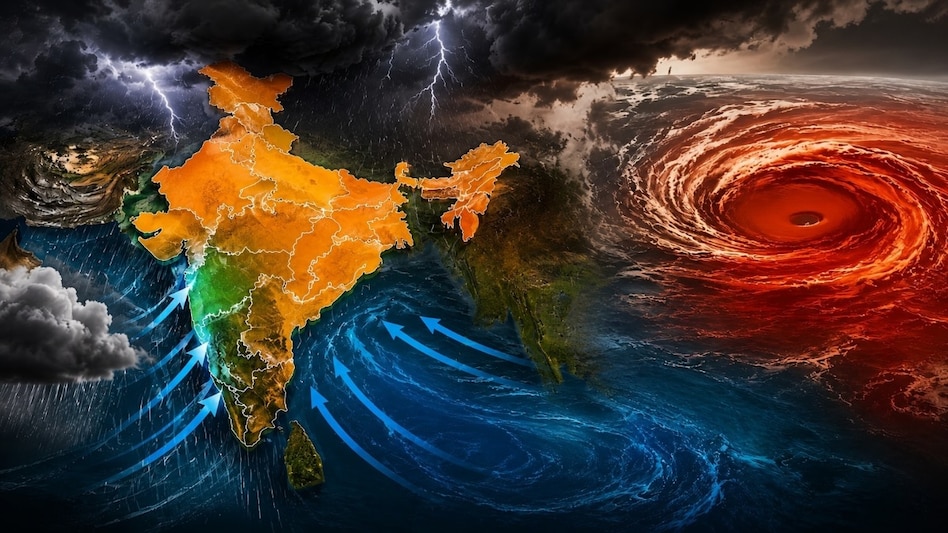
New Delhi: Concerns are mounting across India as the southwest monsoon, the lifeline of the country’s agriculture and rural economy, continues to underperform. Large parts of the nation remain under cloudless skies, while cumulative rainfall has fallen nearly 40 percent below normal levels in several regions, raising fears of a prolonged dry spell that could impact crops, reservoirs, power generation, and inflation in the months ahead.
The monsoon season typically arrives with expectations of relief from scorching summer temperatures and replenishment of water resources. This year, however, the progress of monsoon winds has been uneven and sluggish. Meteorologists point to weak moisture inflow, unfavorable atmospheric conditions over the Arabian Sea and Bay of Bengal, and the absence of strong low-pressure systems as key factors behind the delayed and deficient rainfall.
The impact is already being felt across multiple states. Farmers in several agricultural belts have postponed sowing operations due to inadequate soil moisture. Crops such as paddy, pulses, oilseeds, cotton, and maize are particularly vulnerable during the early stages of cultivation, when timely rainfall is crucial for germination and healthy growth. Agricultural experts warn that prolonged delays could affect acreage under cultivation and ultimately influence food production.
India’s dependence on the monsoon remains profound despite decades of economic diversification. Nearly half of the country’s cultivated land still relies directly on rainfall rather than irrigation. A weak monsoon therefore carries implications far beyond agriculture, affecting rural incomes, consumer demand, and overall economic growth.
Water security is emerging as another major concern. Reservoir levels in several states remain below seasonal averages, and continued rainfall deficiency could place additional pressure on drinking water supplies in urban and rural areas. Many regions had entered the monsoon season after experiencing intense heatwaves and unusually high temperatures, further depleting water reserves and increasing demand.
The energy sector is also closely monitoring the situation. Hydropower generation depends heavily on adequate monsoon rainfall to replenish rivers and reservoirs. Lower water availability could reduce electricity generation capacity and increase reliance on thermal power plants, potentially raising energy costs and environmental pressures.
Economists are paying particular attention to the inflationary risks associated with a weak monsoon. Food inflation remains one of the most sensitive components of India’s economy. Reduced agricultural output can lead to higher prices for vegetables, cereals, pulses, and other essential commodities. Such increases often ripple through the broader economy, affecting household budgets and monetary policy decisions.
The rainfall deficit has arrived at a challenging time for policymakers. Global energy prices remain volatile, supply chains continue to face disruptions in some sectors, and international economic uncertainty persists. A poor monsoon would add another layer of complexity to the government’s efforts to maintain stable growth and contain inflation.
Meteorological agencies, however, have urged caution against drawing premature conclusions. Weather experts note that monsoon performance can change significantly within a short period if favorable systems develop over the Bay of Bengal or the Arabian Sea. Historically, several seasons that began with weak rainfall later recovered due to strong monsoon phases during July and August.
Nevertheless, the current situation has raised concerns among state governments. Authorities in some regions have begun reviewing contingency plans related to water management, irrigation support, drought preparedness, and crop protection. Agricultural departments are advising farmers on alternative sowing strategies and drought-resistant crop varieties in areas where rainfall remains scarce.
Climate scientists argue that increasing weather variability is becoming a defining feature of India’s monsoon system. While total seasonal rainfall may not always decline dramatically, its distribution has become increasingly unpredictable. Long dry spells interspersed with episodes of extremely heavy rainfall are now more common than in previous decades. Such patterns complicate farming decisions and place greater stress on infrastructure and water management systems.
The monsoon is often described as India’s economic heartbeat, influencing everything from farm output and food prices to industrial demand and financial markets. As clouds remain absent from many parts of the country and rainfall deficits continue to widen, anxiety is growing among farmers, businesses, and policymakers alike.
The coming weeks will therefore be crucial. If the monsoon regains momentum, fears of widespread disruption could ease considerably. If the dry spell persists, however, India may face one of its most challenging monsoon seasons in recent years, with consequences extending far beyond the agricultural sector.
For now, millions across the country continue to look toward the skies, waiting for the rains that sustain livelihoods, replenish reservoirs, and power one of the world’s largest economies.