Missiles Over the Gulf: Iran Opens New Front Against U.S. Forces in Jordan and Bahrain
By Zpluse staff
•
Wednesday, June 10, 2026
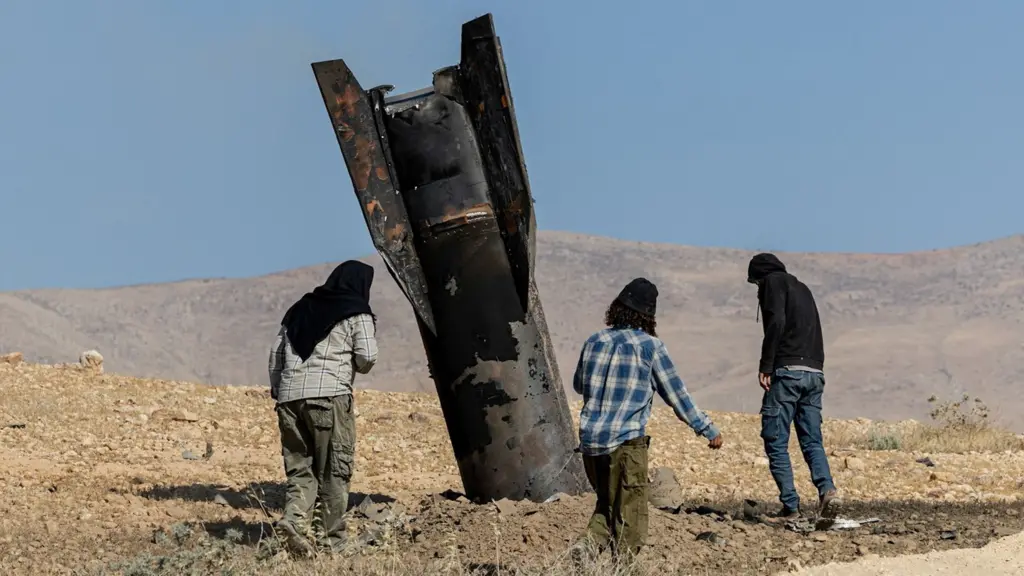
The rapidly escalating conflict in West Asia entered a dangerous new phase after Iran launched missile and drone attacks against multiple American military installations across the region, marking one of the most direct confrontations between Tehran and Washington in recent years. The strikes came shortly after U.S. President Donald Trump authorized military operations near the Strait of Hormuz, dramatically raising fears that the crisis could evolve into a broader regional war involving several countries.
According to reports, Iranian missiles and drones targeted American military facilities in Jordan, Bahrain, and other strategic locations across the Gulf region. The attacks were presented by Tehran as retaliation for recent U.S. military actions and what Iranian leaders described as attempts to undermine the country’s security and sovereignty. Air defense systems were activated across multiple Gulf nations as regional militaries scrambled to intercept incoming projectiles.
The latest escalation has significantly widened the scope of the conflict. What initially appeared to be a maritime confrontation centered around the Strait of Hormuz has now expanded into a direct military exchange stretching across the Middle East. Military analysts warn that the targeting of American bases represents a deliberate attempt by Iran to demonstrate its ability to threaten U.S. assets throughout the region while avoiding a full-scale conventional war.
At the center of the crisis remains the Strait of Hormuz, one of the world’s most strategically important waterways. Nearly a fifth of global oil supplies traditionally pass through this narrow passage connecting the Persian Gulf to international markets. Any disruption in the strait immediately impacts global energy prices, shipping costs, and economic stability worldwide. Recent military activity near the waterway has already triggered volatility in oil markets and heightened concerns among major energy-importing nations.
The United States has responded by reinforcing military readiness across its regional network of bases and naval assets. Additional fighter aircraft, missile defense systems, and surveillance capabilities have reportedly been deployed as Washington assesses potential further retaliation. U.S. officials have condemned the Iranian strikes and warned that any attack resulting in significant American casualties would provoke a decisive response.
Iran, meanwhile, has framed its actions as a defensive measure intended to deter further U.S. military operations. Iranian officials argue that foreign military activity near its borders and maritime approaches poses a direct threat to national security. State media in Tehran has portrayed the strikes as evidence that Iran retains the capability to respond forcefully to perceived aggression.
The crisis has generated alarm among Gulf nations, many of which host American military facilities while simultaneously seeking to avoid becoming battlegrounds in a wider confrontation. Governments across the region have urged restraint and called for renewed diplomatic efforts to prevent the conflict from spiraling out of control. Several countries have also raised security alerts around critical energy infrastructure, ports, and transportation networks.
Global markets are closely monitoring developments. Oil prices surged following reports of the attacks, while investors moved toward traditional safe-haven assets amid fears of prolonged instability. Economists warn that a sustained conflict involving the Strait of Hormuz could have serious consequences for global inflation, energy security, and economic growth.
For India, China, Japan, and European economies, the situation carries particular significance. Many of these nations rely heavily on Gulf energy supplies, making stability in the region a critical economic concern. Any prolonged disruption to shipping routes could affect fuel prices, trade flows, and broader economic performance.
Diplomatic efforts are continuing behind the scenes, with several international powers attempting to de-escalate tensions before the conflict reaches a point of no return. However, with both Washington and Tehran signaling determination while maintaining military readiness, the path toward a peaceful resolution remains uncertain.
As missiles fly over the Gulf and military forces remain on high alert, the region finds itself at one of its most dangerous moments in years. What began as a dispute over strategic waterways and regional influence now threatens to evolve into a confrontation with far-reaching consequences for global security, energy markets, and international diplomacy.
For now, the world watches anxiously as the crisis unfolds, hoping that diplomacy can still prevail before the Middle East is drawn into a wider and more destructive conflict.