India’s Iron Dome Takes Shape: DRDO Scores Triple Success in Missile Defence and Anti-Ship Weapon Trials
By ZPLUSE STAFF
•
Saturday, June 13, 2026
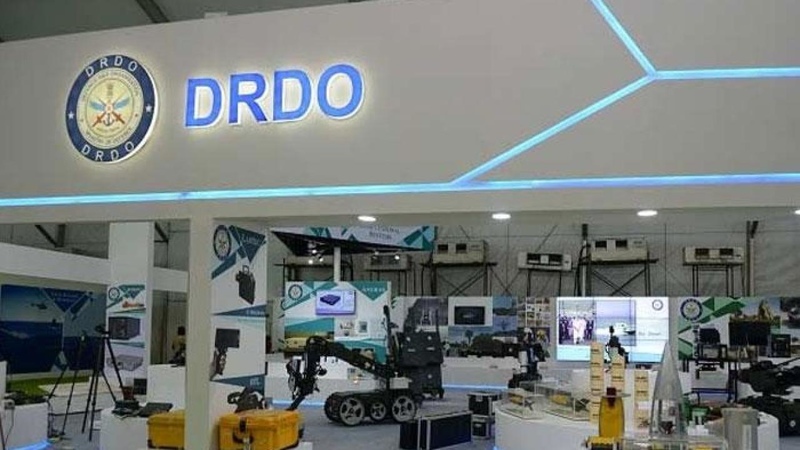
New Delhi: In a major boost to India’s indigenous defence capabilities, the Defence Research and Development Organisation (DRDO) has successfully conducted three crucial missile tests, including advanced ballistic missile defence (BMD) interceptors and an anti-ship missile system. The successful trials mark another significant step in India’s effort to build a multi-layered air and missile shield often compared to an Indian version of the famed “Iron Dome,” while simultaneously strengthening its maritime strike capabilities.
The trio of successful flight tests comes at a time when India faces an increasingly complex security environment marked by rapid missile modernization in its neighbourhood, growing drone threats, and evolving naval challenges across the Indian Ocean region. Defence experts believe the latest achievements demonstrate the country’s growing ability to develop sophisticated missile technologies without relying heavily on foreign suppliers.
At the heart of the tests was India’s ballistic missile defence programme, one of the most ambitious projects undertaken by DRDO. The system is designed to detect, track, and destroy incoming enemy ballistic missiles before they can strike strategic targets. Using a network of advanced radars, command-and-control systems, and interceptor missiles, the BMD shield aims to provide protection against missile attacks targeting major cities, military installations, and critical infrastructure.
Unlike Israel’s Iron Dome, which primarily intercepts short-range rockets and artillery shells, India’s missile defence architecture is being designed to counter a much broader range of threats, including medium-range and long-range ballistic missiles. The programme therefore represents a more comprehensive defensive shield capable of engaging targets at multiple altitudes and distances.
The successful interceptor tests demonstrated the system’s ability to track and neutralize hostile targets with high precision. Defence officials stated that the trials validated key technologies including guidance systems, radar integration, interception accuracy, and command networks. Such capabilities are considered essential for ensuring that India can respond effectively to future missile threats.
The anti-ship missile trial was equally significant. As competition intensifies across the Indo-Pacific region, maritime strike capabilities have become increasingly important. The successful test showcased India’s ability to engage enemy naval assets at considerable distances, strengthening deterrence and enhancing the operational capabilities of the Indian Navy.
Analysts note that anti-ship missiles are becoming central components of modern naval warfare. Their ability to threaten warships, aircraft carriers, and strategic maritime assets provides countries with a powerful deterrent against potential adversaries. Indigenous development of such systems reduces dependence on imports while ensuring greater flexibility in deployment and upgrades.
The tests also reflect the broader transformation underway within India’s defence sector. Over the past decade, the government has prioritized self-reliance in defence manufacturing through initiatives aimed at boosting indigenous research, development, and production. Programmes such as “Atmanirbhar Bharat” have encouraged domestic innovation in missiles, aircraft, drones, radar systems, and advanced military technologies.
India’s missile programme has emerged as one of the most successful examples of this approach. From the Agni series of strategic missiles and the BrahMos supersonic cruise missile to advanced air defence systems and anti-satellite capabilities, the country has steadily expanded its technological footprint in the defence domain.
The importance of missile defence has grown considerably in recent years. Modern warfare increasingly involves the use of precision-guided missiles, drones, hypersonic weapons, and long-range strike systems. Countries around the world are investing heavily in layered defence networks capable of detecting and intercepting such threats before they reach their targets.
For India, the challenge is particularly complex given the presence of two nuclear-armed neighbours with expanding missile inventories. The ability to establish a credible missile shield is therefore viewed as an important component of national security planning. While no defence system can guarantee complete protection, even limited interception capabilities significantly strengthen deterrence by complicating an adversary’s attack calculations.
Military experts caution that India’s system should not be viewed as a direct replica of Israel’s Iron Dome. Instead, it represents a broader, multi-tiered architecture combining long-range surveillance radars, interceptor missiles, air defence systems, and command networks tailored to India’s unique security requirements. Nevertheless, the comparison highlights the strategic importance of developing indigenous protective shields against evolving aerial threats.
The successful tests are also likely to enhance India’s standing as a defence technology power. Several countries have expressed interest in Indian missile systems and defence platforms, opening opportunities for exports and strategic partnerships. As indigenous capabilities mature, India could increasingly emerge as a supplier of advanced military technologies to friendly nations.
For now, the focus remains on further refining and integrating these systems into operational service. Additional trials, technological improvements, and deployment exercises are expected in the coming years as the armed forces work to build a robust, layered defence architecture.
The latest DRDO success sends a clear message: India is not only strengthening its offensive capabilities but also investing heavily in protecting its skies, coasts, and strategic assets. In an era defined by missile warfare and technological competition, the dream of an Indian “Iron Dome” is steadily moving from concept to reality.