India Draws a Red Line: New Delhi Warns Washington After U.S. Strikes Hit Merchant Ships Carrying Indian Seafarers
By ZPLUSE STAFF
•
Friday, June 12, 2026
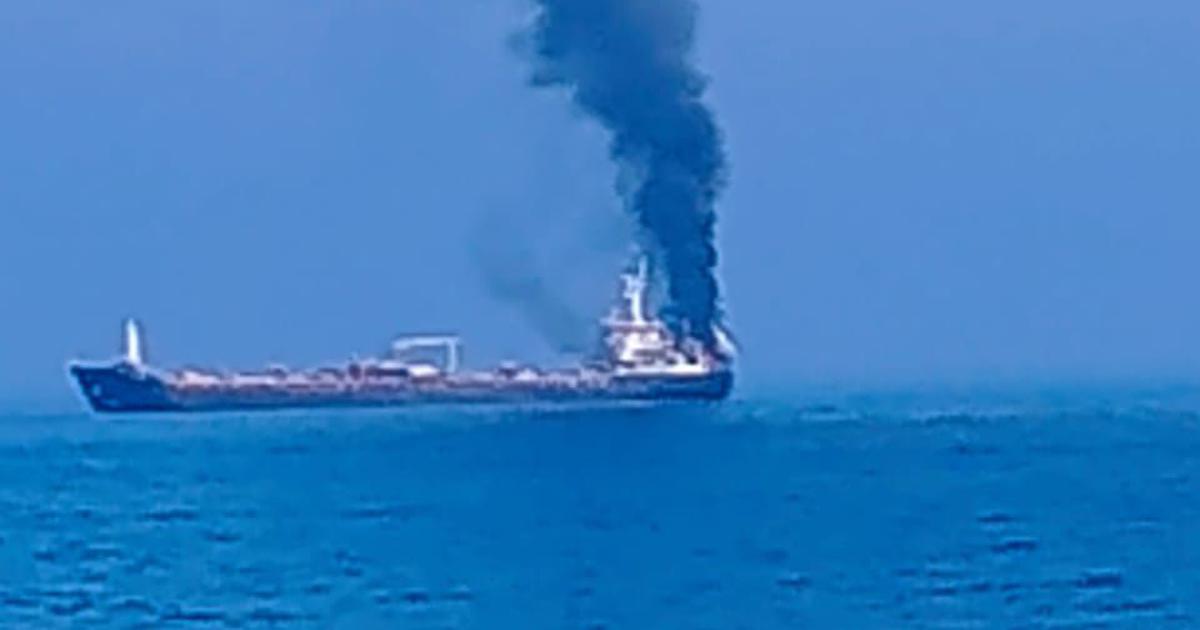
New Delhi: India has issued one of its strongest diplomatic messages to the United States in recent years after three merchant vessels carrying Indian seafarers reportedly came under attack during U.S. military operations in the Gulf region. Expressing deep concern over the safety of Indian nationals working aboard commercial ships, New Delhi conveyed to Washington that such strikes must stop immediately and that civilian maritime traffic should never become collateral damage in an escalating regional conflict.
The incident comes amid rapidly rising tensions in West Asia, where military confrontations involving the United States, Iran, and allied forces have transformed vital shipping routes into zones of heightened risk. According to reports, the affected merchant vessels were operating in international waters when they were caught in military action linked to ongoing operations around the Strait of Hormuz and nearby maritime corridors. Several Indian crew members were reportedly onboard the ships, prompting an immediate response from Indian authorities.
The Ministry of External Affairs moved swiftly, seeking detailed information from American officials and emphasizing that the safety and security of Indian citizens remains a top priority. Government sources indicated that India has conveyed its concerns through diplomatic channels and has demanded that all parties involved in the conflict take every possible precaution to protect civilian shipping and international maritime commerce.
The issue carries particular significance for India because of its vast maritime workforce. Indian seafarers constitute one of the largest contingents of skilled maritime personnel globally, serving aboard thousands of merchant ships operating across international waters. From oil tankers and cargo vessels to container ships and bulk carriers, Indian sailors form a critical component of global trade networks. Any threat to their safety immediately becomes a matter of national concern.
The timing of the incident is especially sensitive. The Gulf region is currently experiencing one of its most volatile periods in years, with military operations, drone attacks, missile strikes, and naval deployments creating uncertainty across major shipping lanes. The Strait of Hormuz, through which a substantial portion of the world’s energy supplies pass, has become a focal point of strategic competition and military activity. As tensions rise, commercial vessels increasingly find themselves navigating through an environment where the distinction between military and civilian assets can become dangerously blurred.
Indian officials have consistently maintained that freedom of navigation and the safety of commercial shipping are essential principles of international law. The government has repeatedly called for restraint, dialogue, and de-escalation in West Asia, warning that prolonged conflict could disrupt global trade, destabilize energy markets, and endanger thousands of civilians working in the maritime sector.
The incident also highlights India’s unique position in the unfolding regional crisis. While maintaining strong strategic relations with the United States, India has simultaneously sought to preserve diplomatic engagement with countries across West Asia, including Iran and Gulf nations. This balancing act has allowed New Delhi to advocate for stability while protecting its extensive economic and energy interests in the region.
For India, the stakes are enormous. The country imports a significant portion of its crude oil and natural gas from the Gulf. Millions of Indian expatriates live and work across West Asian countries, while maritime trade through the region remains critical for India’s economic growth. Any disruption to shipping routes or escalation in military activity directly affects Indian interests.
Maritime experts warn that attacks involving commercial vessels could have far-reaching consequences beyond the immediate safety concerns. Increased insurance premiums, higher shipping costs, rerouted trade routes, and growing investor uncertainty could all contribute to broader economic disruptions. The presence of Indian crew members on affected vessels has therefore amplified public attention and diplomatic urgency.
The United States has not publicly commented in detail on India’s concerns, but analysts expect discussions between the two countries to continue at multiple levels. Given the strategic partnership between New Delhi and Washington, observers believe both sides will seek to prevent the issue from affecting broader bilateral relations while ensuring greater safeguards for civilian shipping operations.
Meanwhile, Indian authorities remain in close contact with shipping companies, maritime agencies, and international partners to monitor the situation. Emergency response mechanisms have reportedly been activated to assist affected crew members and ensure the safety of Indian nationals operating in high-risk maritime zones.
The episode serves as a stark reminder of how modern conflicts increasingly extend beyond battlefields and into global economic lifelines. Merchant vessels carrying food, energy, and consumer goods are essential to the functioning of the international economy. When they become exposed to military action, the consequences are felt far beyond the immediate conflict zone.
India’s message to Washington is therefore not merely a diplomatic protest. It is a broader warning about the dangers of allowing strategic rivalries to threaten civilian lives and global commerce. As military tensions continue to rise across West Asia, New Delhi is making it clear that the safety of Indian seafarers and commercial shipping must remain non negotiable.
In an era where global trade depends on secure oceans and open sea lanes, India is signaling that protecting civilian maritime traffic is not just a national interest it is an international responsibility.