Explosive Claim Raises Global Tensions: Analyst Alleges Mossad Plot Against Pakistan Army Chief in Switzerland
By ZPLUSE STAFF
•
Thursday, June 25, 2026
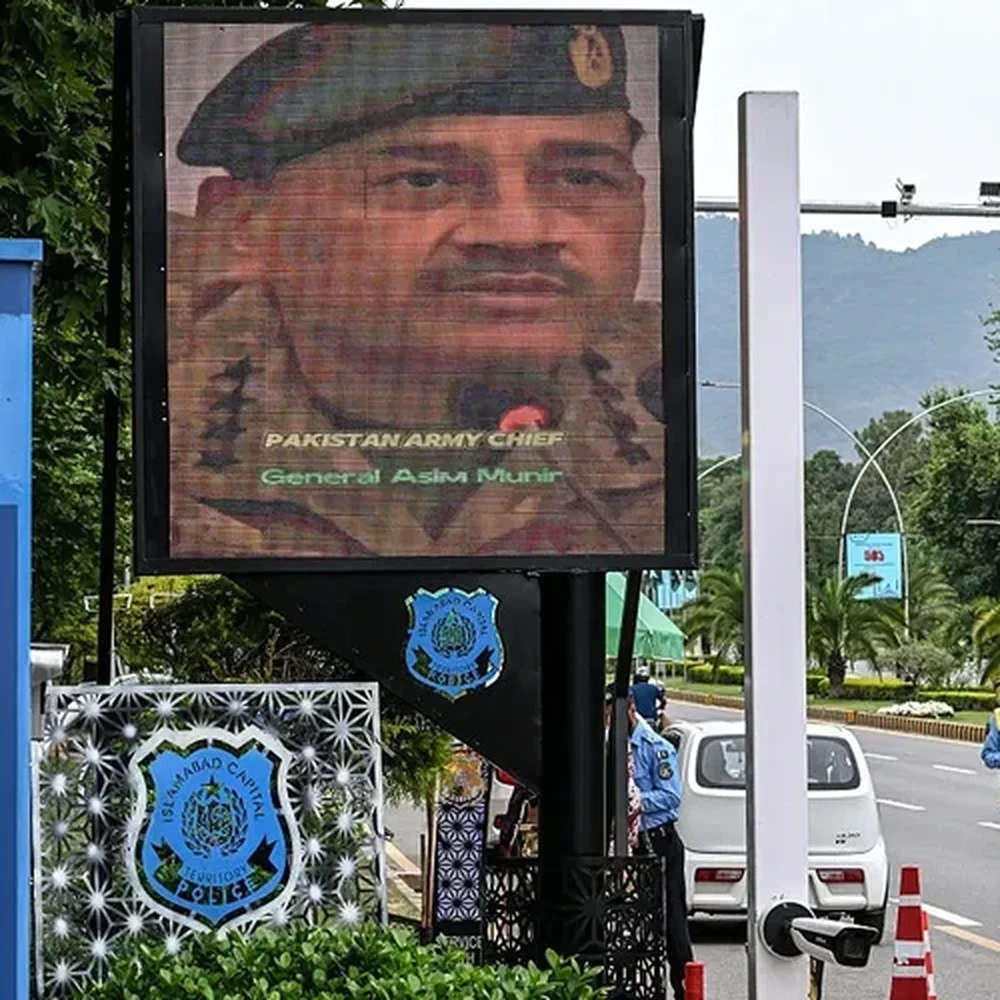
A sensational claim made by Brazilian journalist and geopolitical analyst Pepe Escobar has sparked international attention after he alleged that Israel’s intelligence agency, Mossad, planned to assassinate Pakistan Army Chief Field Marshal Asim Munir during peace talks in Switzerland. According to Escobar, Pakistani military intelligence intercepted the alleged plot and responded by sending a stern warning to Israel that any attack on its delegation would invite severe retaliation. However, the allegations remain unverified, with no official confirmation from Israel, Pakistan, Switzerland, or other governments involved.
Escobar made the claims during an interview with political commentator Mario Nawfal, asserting that Pakistani intelligence had received what he described as “ultra-credible” information suggesting that Mossad, allegedly acting under the direction of the Israeli government, was preparing an assassination attempt against Asim Munir and possibly other members of the Pakistani delegation attending diplomatic discussions in Switzerland.
According to the analyst, Pakistan conveyed a warning to Israel through diplomatic intermediaries, reportedly via Oman. Escobar claimed that Islamabad’s message made it clear that any attack on its delegation would trigger an overwhelming response. His remarks have since circulated widely across social media and international news platforms, fueling speculation about behind-the-scenes tensions surrounding the Switzerland talks.
The alleged incident is said to have occurred during high-level negotiations involving the United States and Iran, where Pakistan was reportedly playing a mediating role. The talks have attracted global attention because of their significance for regional security, nuclear diplomacy, and the future stability of the Middle East. If true, such an assassination attempt would have represented an unprecedented escalation with potentially far-reaching geopolitical consequences.
Despite the dramatic nature of the allegations, there has been no official confirmation from any government or security agency. Israeli authorities have not commented on the claims, while Pakistan has also refrained from issuing any statement confirming that such a threat existed. Swiss, American, and Pakistani security agencies did not issue public warnings or security alerts indicating an assassination risk during the diplomatic meetings.
Security analysts caution that extraordinary claims involving covert intelligence operations are often difficult to verify independently. Intelligence agencies rarely acknowledge or deny alleged operations, making it challenging to establish the authenticity of such reports without corroborating evidence. In this case, no documentary proof or official investigation has been made public to substantiate the allegations.
The controversy nevertheless highlights the fragile security environment surrounding ongoing geopolitical negotiations. Relations between Israel and Pakistan have remained strained for decades, as Pakistan does not formally recognize Israel and has consistently linked normalization of relations to the establishment of a Palestinian state. Any allegation involving intelligence operations between the two countries therefore attracts considerable international attention.
The timing of the claims is also significant, coming amid heightened tensions across West Asia following recent military confrontations and diplomatic efforts to reduce regional hostilities. Peace negotiations involving multiple regional and global powers have become increasingly sensitive, with security concerns surrounding senior political and military leaders remaining exceptionally high.
For now, the allegations remain exactly that unverified claims made by an independent analyst. Without confirmation from official sources or credible supporting evidence, they should not be treated as established fact. Governments involved have maintained silence, and no independent investigation has publicly validated the reported assassination plot or Pakistan’s alleged warning to Israel.
Whether further evidence emerges or the claims eventually fade remains uncertain. Until then, the episode serves as a reminder of the opaque world of intelligence operations, where fact, speculation, and geopolitical narratives often intersect, making careful verification essential before drawing definitive conclusions.