Double Quake Disaster Rocks Venezuela: Powerful Tremors Trigger Building Collapse in Caracas
By ZPLUSE STAFF
•
Thursday, June 25, 2026
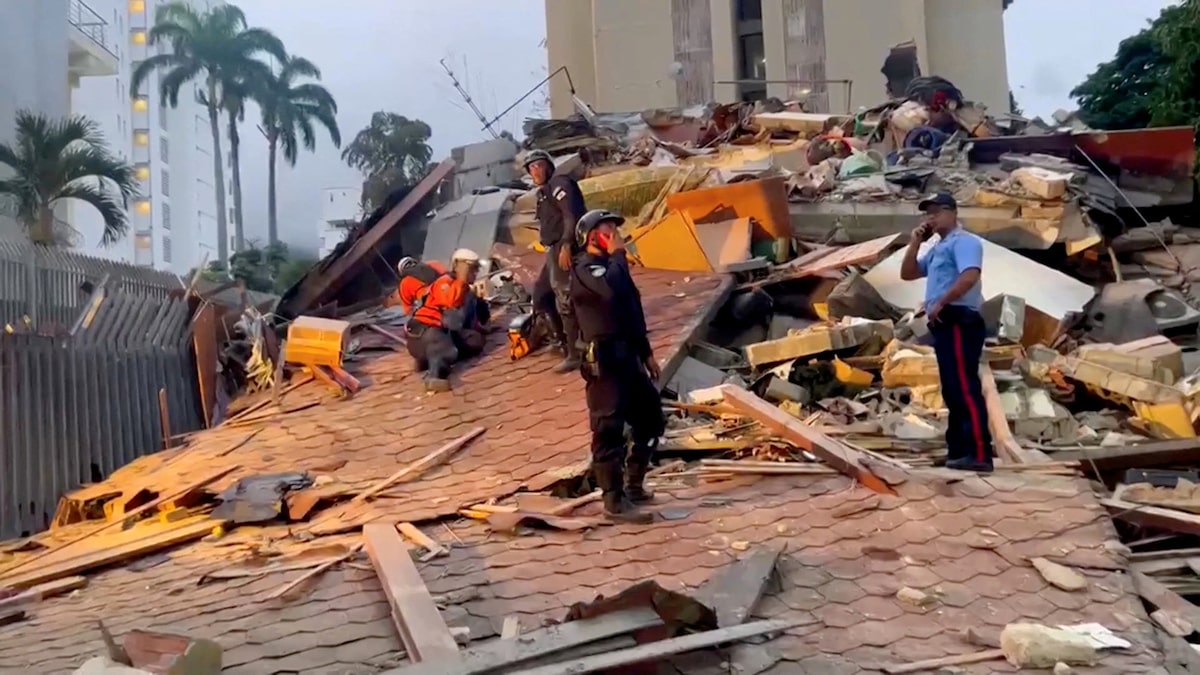
Caracas: Venezuela was struck by two powerful earthquakes in quick succession, triggering panic across the country and causing the collapse of several buildings in the capital, Caracas. The back-to-back tremors sent thousands of residents rushing into the streets as emergency services launched rescue operations amid fears that people could be trapped beneath the debris. Authorities are continuing to assess the full extent of the damage, while aftershocks have kept the population on edge.
According to preliminary reports, the first earthquake was followed by an equally powerful second tremor within a short span of time, amplifying the destruction and complicating rescue efforts. The twin quakes were felt across several regions of Venezuela, with the strongest shaking reported in Caracas, where ageing infrastructure and densely populated neighborhoods heightened the impact of the disaster.
The collapse of a multi-storey building in the capital has become the most dramatic symbol of the tragedy. Rescue workers, firefighters, and civil defence personnel rushed to the site, using heavy machinery and sniffer dogs to search for survivors trapped under the rubble. Ambulances transported the injured to nearby hospitals as emergency medical teams worked around the clock to treat victims.
Residents described scenes of chaos as buildings swayed violently, electricity was disrupted in some areas, and frightened families fled homes, offices, shopping centres, and schools. Many people remained outdoors long after the shaking stopped, fearing powerful aftershocks and further structural collapses.
Authorities have warned that the risk is far from over. Seismologists expect a series of aftershocks in the coming days, some of which could be strong enough to damage already weakened buildings. Engineers have begun inspecting residential complexes, public infrastructure, bridges, hospitals, and government offices to determine whether they remain safe for occupation.
President Nicolás Maduro convened an emergency meeting with senior officials and disaster management agencies, directing all available resources toward rescue and relief operations. The government has appealed for calm while urging citizens to avoid damaged structures and follow official safety advisories until detailed inspections are completed.
The earthquakes have also disrupted transport and communication networks in parts of the country. Several roads have reportedly suffered cracks, while temporary power outages and interruptions to telecommunications have complicated coordination among emergency responders. Schools and government offices in affected regions have been closed as a precautionary measure.
Venezuela lies along an active seismic zone influenced by the interaction of the Caribbean and South American tectonic plates. Although the country experiences earthquakes periodically, powerful twin tremors striking within such a short interval are relatively uncommon and significantly increase the potential for structural damage. Experts note that the second quake often proves particularly dangerous because it strikes buildings that have already been weakened by the initial shock.
Urban planners have long expressed concerns about the resilience of Venezuela’s ageing infrastructure. Economic challenges over the past decade have limited investment in maintenance and earthquake-resistant construction, leaving many older buildings vulnerable to major seismic events. The latest disaster is expected to renew calls for stricter building standards and greater investment in disaster preparedness.
International humanitarian organizations are closely monitoring the situation and have expressed readiness to provide assistance if requested by Venezuelan authorities. Neighboring countries have also conveyed their solidarity as rescue operations continue in the affected areas.
The economic impact of the disaster could be substantial. Damage to residential buildings, commercial establishments, transportation infrastructure, and public utilities is likely to place additional pressure on an economy that has already faced years of financial hardship. Experts believe reconstruction efforts may take months, depending on the scale of destruction revealed in the coming days.
For thousands of Venezuelan families, however, the immediate concern remains the safety of loved ones. As rescue teams continue to search through collapsed structures and emergency shelters begin accommodating displaced residents, hope persists that more survivors will be found beneath the rubble.
The twin earthquakes have once again demonstrated the devastating power of nature and the importance of disaster preparedness in earthquake-prone regions. As Venezuela confronts the aftermath of one of its strongest seismic events in recent years, the nation’s focus remains firmly on saving lives, assisting affected communities, and beginning the long process of recovery.