‘Don’t Air This’: Uddhav Sena MP’s Tirade Against Rebels Sparks Fresh Political Storm
By ZPLUSE STAFF
•
Wednesday, June 17, 2026
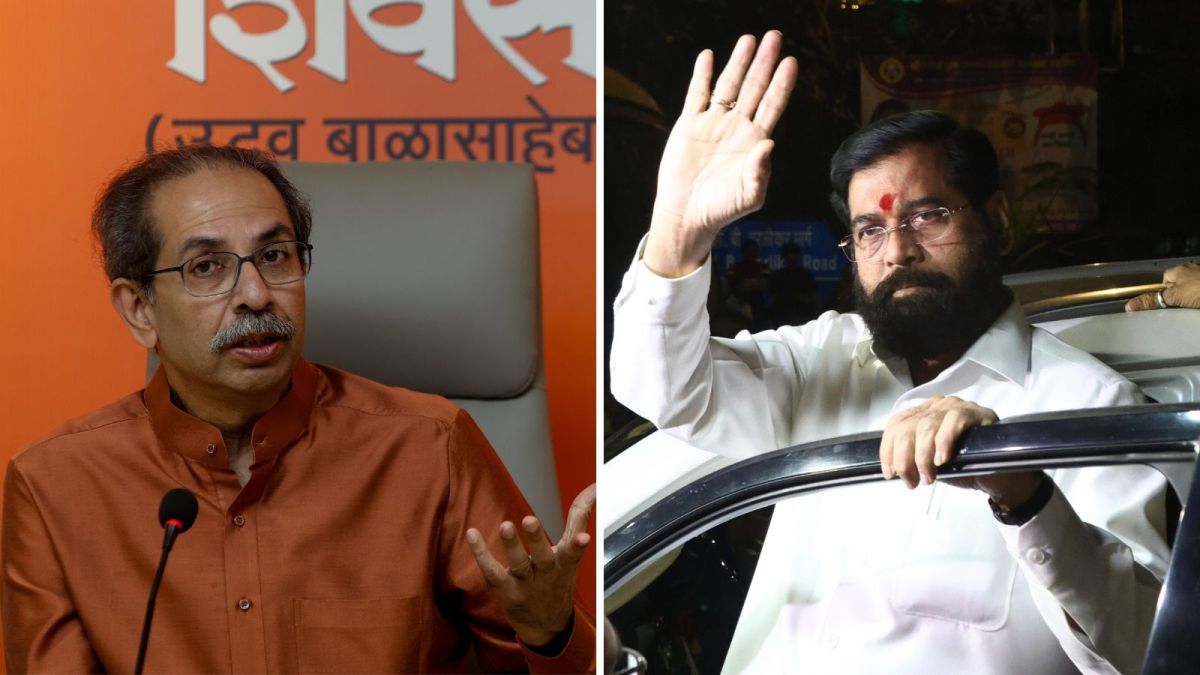
Mumbai: A fresh controversy has erupted within Maharashtra politics after an Uddhav Balasaheb Thackeray-led Shiv Sena (UBT) Member of Parliament was caught on camera allegedly using abusive language against party rebels, only to later urge media personnel not to broadcast those remarks. The episode has reignited tensions between the rival Sena factions and highlighted the lingering bitterness that continues to define Maharashtra’s political landscape years after the dramatic split in the Shiv Sena.
The controversy unfolded during an interaction with journalists where the MP launched a sharp verbal attack on leaders who had deserted the party during the rebellion led by Chief Minister Eknath Shinde. Visibly agitated while discussing defections and loyalty within the party, the parliamentarian reportedly used derogatory terms to describe the rebels, accusing them of betraying the ideology and legacy of Shiv Sena founder Bal Thackeray.
What transformed the incident into a political flashpoint was what happened immediately afterward. Realizing that his remarks had been recorded, the MP was reportedly heard requesting journalists not to air the controversial portion of his statement. The phrase “don’t cut it” or similar remarks directed toward media personnel quickly became the focus of political debate, with opponents accusing the leader of attempting to censor coverage after making inflammatory comments.
The incident comes at a time when relations between the Uddhav Thackeray camp and the Shinde-led Shiv Sena remain deeply strained. Ever since the 2022 rebellion that split the party and brought down the Maha Vikas Aghadi government, political exchanges between the two factions have often been marked by sharp rhetoric, personal attacks, and accusations of betrayal.
Leaders aligned with Uddhav Thackeray have consistently maintained that those who joined the Shinde camp abandoned the party’s core principles for political power. On the other hand, the Shinde faction argues that it represents the true ideological continuation of Bal Thackeray’s vision and accuses the Uddhav camp of deviating from the party’s original political path.
The latest controversy has provided fresh ammunition to political opponents. Leaders from the ruling alliance criticized the MP’s language, arguing that elected representatives should maintain decorum in public discourse regardless of political differences. Several BJP and Shiv Sena leaders questioned whether such remarks reflected the frustration of a party struggling to regain lost political ground.
The Uddhav Sena, meanwhile, sought to downplay the episode, arguing that emotions often run high when discussing the rebellion that fundamentally altered Maharashtra’s political landscape. Party supporters contend that the anger directed at defectors reflects the sentiments of many grassroots workers who felt betrayed by the events that led to the split.
Political analysts note that the controversy underscores how deeply the wounds of the Shiv Sena split continue to run. Despite multiple elections, legal battles, and political realignments since the rebellion, the issue of loyalty remains central to the narrative of both factions. For Uddhav Thackeray’s camp, the rebels are often portrayed as defectors who abandoned the party’s mandate, while the Shinde faction presents itself as the rightful heir to the Sena’s ideological legacy.
The episode also highlights the growing challenge public figures face in an era of constant media scrutiny. Off-the-cuff remarks, private conversations, and emotional reactions can quickly become headline news, often overshadowing the broader political message leaders intend to convey.
As Maharashtra moves closer to another cycle of political contests, incidents such as this are likely to further intensify the war of words between the rival Sena camps. While the immediate controversy may eventually fade, it serves as a reminder that the battle for the soul, identity, and legacy of the Shiv Sena remains far from over.
For now, a few unscripted words and a request not to broadcast them have once again placed Maharashtra’s fractured political landscape under the spotlight, demonstrating that in modern politics, microphones often capture far more than leaders intend.