A Diplomatic Opening in a Time of War: Iran and U.S. Set for High-Stakes Switzerland Talks
By ZPLUSE STAFF
•
Thursday, June 18, 2026
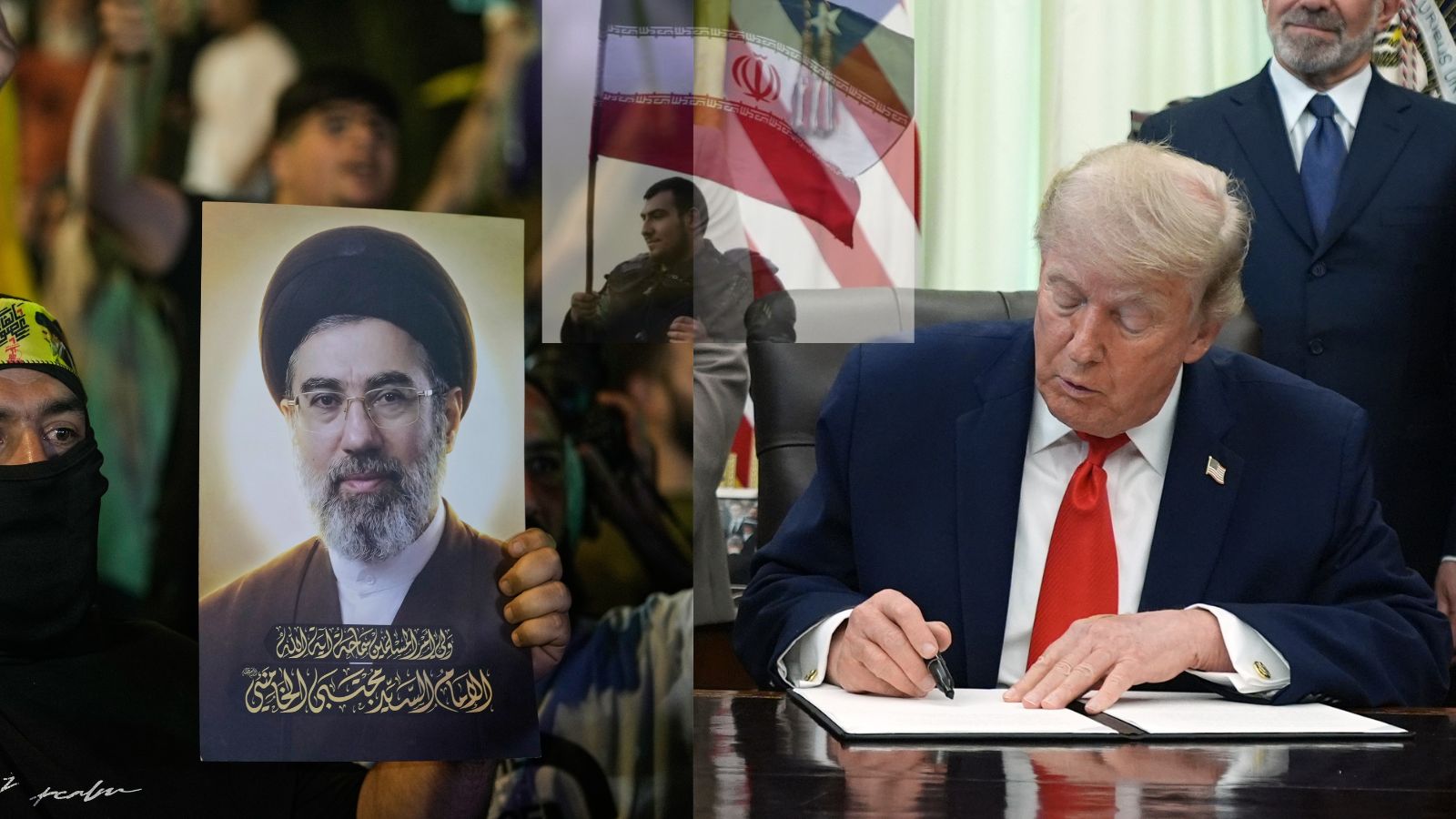
Geneva: After years of hostility, proxy conflicts, sanctions, and periodic military confrontations, the United States and Iran are preparing for what could become one of the most consequential diplomatic engagements in recent West Asian history. Following the signing of a preliminary memorandum of understanding (MoU), senior representatives from both countries are scheduled to meet in Switzerland on June 19 in an effort to prevent the region from sliding into a wider and potentially catastrophic conflict.
The talks come at a moment of extraordinary tension. The Middle East has witnessed a dramatic escalation in recent months, with military exchanges involving Iran, Israel, and the United States threatening to transform localized confrontations into a broader regional war. Missile strikes, attacks on military installations, disruptions to maritime traffic, and rising fears over the security of the Strait of Hormuz have created a volatile environment that has alarmed governments and financial markets across the world.
Against this backdrop, the decision by Tehran and Washington to return to the negotiating table represents a rare glimmer of hope. Switzerland, which has long served as a trusted diplomatic intermediary between the two countries, is expected to host discussions focused on immediate de-escalation measures, regional stability, maritime security, and mechanisms to prevent accidental military confrontation.
The significance of the talks extends far beyond bilateral relations. For decades, the relationship between Iran and the United States has been one of the defining fault lines of global geopolitics. Since the Iranian Revolution of 1979 and the subsequent hostage crisis, diplomatic relations have remained frozen. Mutual distrust has deepened through successive rounds of sanctions, military standoffs, proxy conflicts, and disputes over Iran’s nuclear program.
Yet both sides now face strong incentives to pursue dialogue. For Iran, years of economic sanctions have placed immense pressure on its economy, limiting trade, investment, and access to global financial systems. While Tehran has demonstrated resilience, economic challenges continue to affect growth, inflation, and living standards. A diplomatic breakthrough could open pathways toward sanctions relief and greater economic engagement.
For the United States, the primary objective remains preventing a broader regional conflict that could destabilize energy markets, threaten American military personnel stationed across the Gulf, and draw Washington into another prolonged military confrontation in the Middle East. The Biden administration’s successors have consistently emphasized diplomacy as the preferred route for managing tensions, even while maintaining pressure on Tehran regarding its regional activities and nuclear ambitions.
One of the most closely watched aspects of the talks will be the future of maritime security in the Gulf region. The Strait of Hormuz remains one of the world’s most critical energy chokepoints, with roughly one-fifth of global oil supplies passing through its waters. Any disruption to shipping routes has immediate consequences for global energy prices and economic stability. Recent tensions have already raised concerns among shipping companies, insurers, and energy-importing nations.
The discussions may also address broader regional issues, including conflicts in Lebanon, Syria, Iraq, and Yemen, where Iranian-backed groups and American interests have frequently found themselves on opposing sides. Analysts believe confidence-building measures in these theatres could significantly reduce the risk of escalation and improve prospects for a wider diplomatic process.
Perhaps the most sensitive issue remains Iran’s nuclear program. Although officials from both countries have downplayed expectations of a comprehensive nuclear agreement at this stage, experts believe the subject will inevitably form part of the broader conversation. The collapse of previous nuclear arrangements and the subsequent expansion of Iran’s nuclear activities have remained central sources of international concern.
However, expectations are being managed carefully. Decades of mistrust cannot be erased through a single meeting, and previous rounds of diplomacy have often collapsed under the weight of political pressures and competing strategic interests. Hardliners in both countries remain skeptical of engagement, arguing that concessions could undermine national security objectives.
Nevertheless, the fact that talks are taking place at all is noteworthy. Diplomacy often begins not with grand agreements but with small steps designed to reduce tensions and create channels of communication. In periods of crisis, even limited dialogue can help prevent misunderstandings that might otherwise lead to dangerous escalation.
The international community is closely monitoring developments. European powers, Gulf states, China, Russia, and the United Nations all have a strong interest in preventing further instability in a region that remains central to global energy supplies and international security. Many governments view the Switzerland meeting as an opportunity to halt the cycle of confrontation before it spirals beyond control.
Financial markets are equally attentive. Energy traders, investors, and policymakers understand that any progress in U.S.-Iran relations could influence oil prices, shipping costs, and broader economic sentiment. Conversely, failure could heighten uncertainty and fuel fears of a wider regional crisis.
As negotiators prepare to gather in Geneva, the stakes could hardly be higher. The meeting is not merely about resolving disputes between two nations. It is about determining whether diplomacy can still prevail in a region increasingly shaped by conflict and confrontation.
Whether the Switzerland talks ultimately produce a breakthrough or merely a temporary pause in hostilities remains uncertain. Yet in a period marked by war, mistrust, and geopolitical rivalry, the willingness of Tehran and Washington to engage in direct dialogue offers a reminder that even the deepest adversaries sometimes recognize the value of negotiation.
For now, the world waits to see whether this diplomatic opening can become the foundation for a more stable future—or whether it will be remembered as another missed opportunity in one of international politics’ most enduring rivalries.