The Cracks Within: How TMC’s Growing MP Revolt Could Trigger the Biggest Political Crisis of Mamata Banerjee’s Career
By ZPLUSE STAFF
•
Tuesday, June 9, 2026
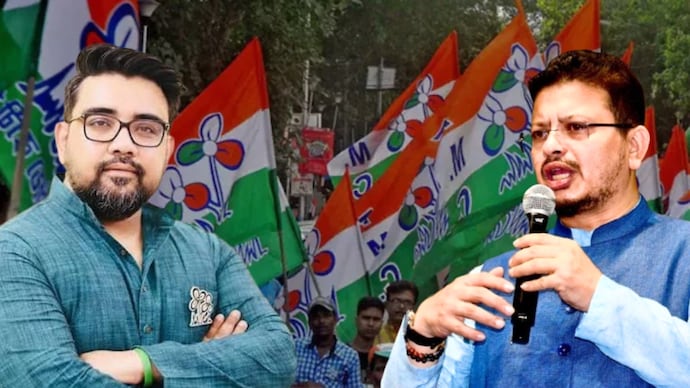
Kolkata: For more than a decade, Mamata Banerjee stood as the undisputed center of power in West Bengal politics. She defeated the Left Front’s 34-year rule, resisted the BJP’s rapid rise, and transformed the Trinamool Congress from a regional challenger into one of India’s most formidable political forces. Yet today, the greatest threat to her political authority may not be coming from the opposition benches but from within her own party.
Reports of growing dissatisfaction among a section of Trinamool Congress MPs have triggered speculation about a potential internal rebellion that could fundamentally reshape Bengal’s political landscape. While party leaders continue to publicly project unity, political observers believe that the emerging unrest represents the most serious internal challenge faced by Mamata Banerjee since the party came to power in 2011.
The roots of the discontent lie in the aftermath of the party’s electoral setback and the growing debate over the future direction of the Trinamool Congress. For years, electoral success helped suppress internal disagreements. As long as the party continued winning elections, most leaders remained willing to accept centralized decision-making and strict leadership discipline. However, political defeat has changed the equation. Questions that were once discussed privately are now being raised openly.
At the center of the controversy is the issue of leadership and succession. Many leaders believe that the Trinamool Congress is entering a transition phase in which the role of the next generation of leadership is becoming increasingly important. The growing prominence of Abhishek Banerjee has generated both support and resistance within different sections of the party. While supporters view him as the future face of the organization and a leader capable of modernizing the party, critics argue that the concentration of power around a small leadership circle has reduced space for internal consultation and dissent.
Several MPs are reportedly unhappy with the manner in which important decisions are being taken. Complaints range from candidate selection and organizational appointments to the handling of electoral strategy and communication with grassroots workers. Some leaders privately claim that experienced politicians who helped build the party over decades increasingly feel sidelined in favor of newer power centers.
The significance of an MP-level rebellion cannot be underestimated. Unlike local factional disputes, dissatisfaction among Members of Parliament reflects concerns at the highest levels of the party structure. MPs are often among the most politically influential leaders within regional parties, commanding significant local networks and voter bases. If even a portion of them begin coordinating their grievances, it could create a serious challenge to the leadership’s authority.
For Mamata Banerjee, the timing could hardly be worse. The Trinamool Congress is already facing the difficult task of rebuilding after an electoral setback while simultaneously countering an aggressive BJP that remains determined to expand its footprint in Bengal. Internal instability at such a moment risks weakening the party’s ability to function as an effective opposition force and maintain organizational cohesion.
The rebellion also carries implications beyond the Trinamool Congress itself. Bengal politics has traditionally revolved around strong centralized leadership structures, whether under the Left Front or under Mamata Banerjee. A prolonged internal conflict within the state’s largest opposition force could create political opportunities for rival parties seeking to expand their influence.
Political analysts point to several possible outcomes. The first is reconciliation, where the leadership engages with dissatisfied MPs, addresses concerns, and restores unity through organizational reforms. The second involves limited disciplinary action against dissenters while maintaining overall party cohesion. The third, and potentially most consequential scenario, is the emergence of a formal faction that could eventually lead to defections or even a split within the organization.
History suggests that major political parties often face their most difficult moments not after defeat itself but during the period of introspection that follows. Electoral setbacks force organizations to confront questions that success often allows them to ignore. Leadership style, succession planning, internal democracy, and accountability suddenly become matters of urgent debate.
For Mamata Banerjee, the challenge is not merely managing dissent but convincing party leaders that the Trinamool Congress remains capable of reinventing itself in a changing political environment. Her personal popularity and political instincts have repeatedly helped her overcome crises in the past. However, the current challenge is unique because it involves managing expectations, ambitions, and frustrations within her own ranks.
The coming weeks may therefore prove critical for the future of the party. If the leadership succeeds in containing the unrest and addressing concerns, the Trinamool Congress could emerge stronger and more united. If the dissatisfaction deepens, however, Bengal could witness the most significant political realignment since Mamata Banerjee’s rise to power.
For now, the rebellion remains more a warning sign than a full-fledged revolt. Yet politics often turns on moments when small cracks are ignored until they become impossible to repair.
And as murmurs of dissent grow louder within the Trinamool Congress, one question is increasingly being asked across Bengal’s political corridors: Is this merely a phase of internal turbulence, or the beginning of a transformation that could redefine the future of West Bengal politics?