All Eyes on RBI as Markets Await Key Policy Decision Amid Inflation and Rupee Concerns
By ZPLUSE STAFF
•
Friday, June 5, 2026
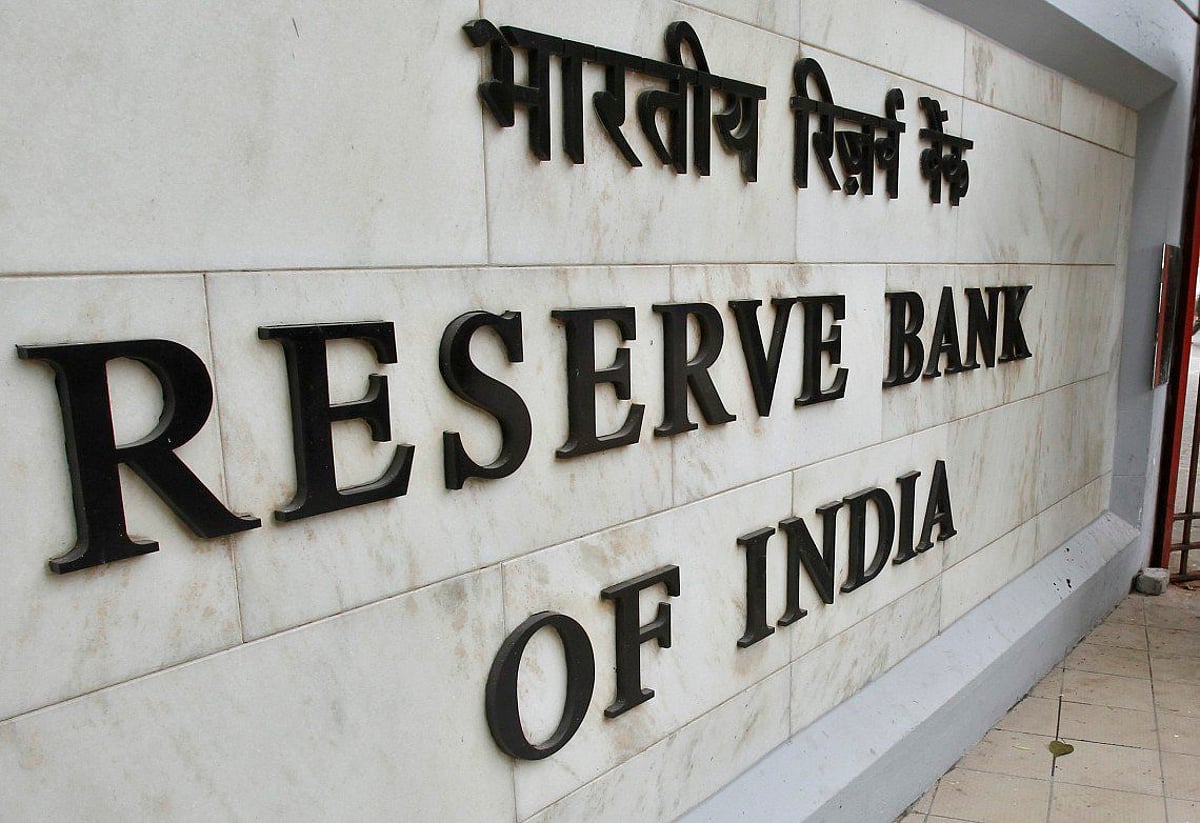
Mumbai: Investors, economists, and financial markets across the country are closely watching the Reserve Bank of India’s monetary policy announcement today, with the central bank facing one of the most challenging economic environments in recent years. While most market participants expect the RBI to leave the benchmark repo rate unchanged, the real focus will be on Governor’s commentary regarding inflation, economic growth, currency stability, and the global risks confronting the Indian economy.
The policy review comes at a time when multiple pressures are converging on the Indian economy. Global crude oil prices have surged sharply amid escalating geopolitical tensions in West Asia, raising concerns about India’s import bill and inflation outlook. As one of the world’s largest crude oil importers, India remains highly sensitive to energy price shocks, with higher oil prices quickly feeding into transportation costs, manufacturing expenses, and consumer inflation.
Adding to the challenge is the continued weakness of the Indian rupee. The currency has witnessed significant depreciation against the US dollar this year, reflecting global risk aversion, strong dollar demand, rising energy imports, and capital outflows from emerging markets. The weakening rupee has become a major concern for policymakers because it increases the cost of imports and adds further inflationary pressure on the economy.
Financial markets are therefore keenly awaiting signals from the RBI regarding its assessment of the currency situation. While the central bank traditionally avoids targeting any specific exchange rate, investors expect policymakers to outline measures aimed at ensuring orderly market conditions and preventing excessive volatility. The RBI is widely expected to reiterate its commitment to maintaining financial stability while allowing market forces to determine the broader direction of the rupee.
Inflation remains another critical concern. Although consumer price inflation had shown signs of moderation in recent months, the recent rise in crude oil prices and global commodity costs threatens to reverse some of those gains. Policymakers are particularly concerned about imported inflation, which occurs when a weaker currency and higher global prices combine to raise domestic costs. The RBI’s updated inflation projections will therefore be closely scrutinized by markets for clues regarding the future path of monetary policy.
At the same time, the central bank must balance inflation control with the need to support economic growth. India’s economy continues to be one of the fastest-growing major economies in the world, but external uncertainties, weaker global demand, and geopolitical disruptions pose risks to growth momentum. Economists believe the RBI is likely to maintain a cautious stance, avoiding aggressive policy moves while closely monitoring evolving global developments.
The spotlight is also firmly on potential measures to attract foreign capital into India. Market participants have been speculating about steps that could encourage greater foreign investment in Indian government securities and financial markets. Reports suggest policymakers may consider tax-related adjustments or regulatory changes aimed at making Indian debt instruments more attractive to overseas investors.
Such measures could serve multiple objectives simultaneously. Increased foreign inflows would help strengthen the rupee, improve liquidity in domestic markets, support government borrowing programs, and provide an additional buffer against external economic shocks. In an environment where global investors are becoming increasingly selective, attracting stable long-term capital remains a key policy priority.
The government’s broader economic strategy is also closely intertwined with the RBI’s policy approach. New Delhi has been working to maintain macroeconomic stability while continuing infrastructure investment, manufacturing expansion, and fiscal consolidation. The central bank’s guidance will therefore provide important insights into how policymakers view the evolving balance between inflation management and growth support.
Financial markets are expected to react sharply not merely to the policy decision itself but to the tone of the RBI’s statement. Equity markets, bond yields, currency traders, and foreign investors will all be parsing every word for indications regarding future interest rates, inflation expectations, and policy priorities.
For businesses and consumers, the outcome of today’s policy review could influence borrowing costs, investment decisions, housing demand, and overall economic sentiment. Even if the repo rate remains unchanged, the RBI’s assessment of risks will shape market expectations for the months ahead.
The policy announcement arrives at a moment when the global economy is navigating a period of unusual uncertainty. From geopolitical conflicts and supply chain disruptions to volatile energy markets and shifting monetary policies across major economies, central banks worldwide are being forced to make increasingly difficult choices.
For India, today’s RBI decision is about far more than interest rates. It represents a crucial assessment of how the country plans to navigate inflation risks, currency pressures, global uncertainty, and growth challenges simultaneously.
As markets await the announcement, one thing is clear: investors are not just looking for a policy decision—they are looking for reassurance that India’s economic fundamentals remain strong enough to withstand an increasingly turbulent global environment.